
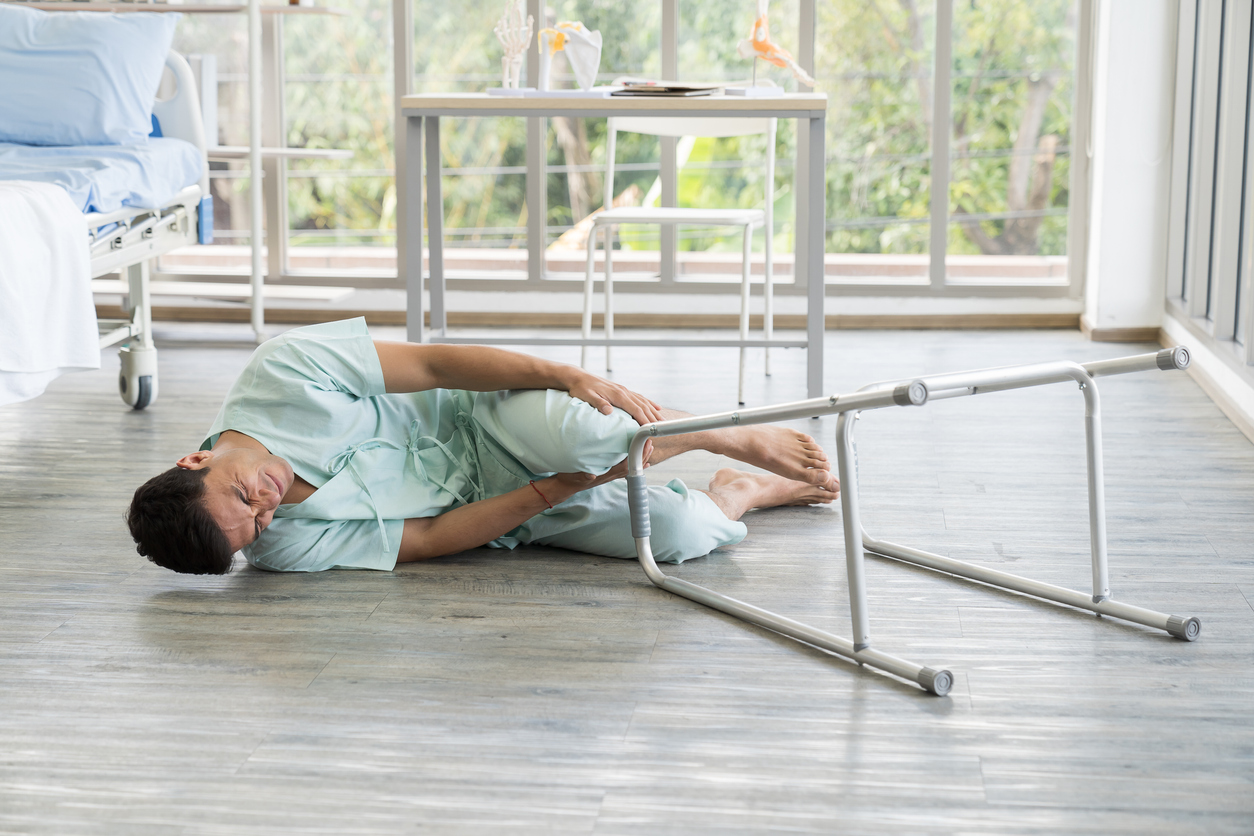
If you’ve suffered a hospital slip and fall injury in Savannah, you may have legal options to recover compensation for your losses. Hospitals have a duty of care to keep their premises safe for patients, visitors, and staff. When a hospital fails to maintain safe conditions—whether through negligent cleaning, poor maintenance, or inadequate warnings—and someone gets hurt, that hospital may be liable for damages. A hospital slip and fall can result in serious injuries that require ongoing medical treatment, physical therapy, and time away from work. The Cornwell Firm understands the challenges you face after a hospital accident and works to help injured victims pursue compensation.
Table of Contents
Why Choose The Cornwell Firm for Your Hospital Slip and Fall Case
The Cornwell Firm has experience handling premises liability cases throughout Savannah and Georgia. Our team understands how hospitals operate and the safety standards they must follow under Georgia law. We work on a contingency fee basis, which means you pay nothing upfront—we only collect a fee if compensation is recovered for you. Our approach focuses on thorough investigation, gathering evidence from hospital maintenance records, incident reports, and witness statements to build a strong case on your behalf. We communicate regularly with our clients, keeping you informed throughout the process. When you work with us, you have a legal team focused on holding hospitals accountable for negligence and pursuing fair compensation.
Common Causes of Hospital Slip and Fall Accidents
Hospital environments present unique hazards that can lead to serious slip and fall injuries. Understanding what causes these accidents helps establish negligence on the hospital’s part. Slip and fall accidents can occur in various settings, and hospitals present particular risks due to their high-traffic nature and specialized environments. These incidents often involve premises liability claims that require experienced legal representation.
Wet Floors and Spill Hazards
Hospitals experience constant foot traffic from patients, visitors, staff, and medical equipment. Spills from bodily fluids, cleaning solutions, water, and other liquids happen frequently throughout hospital corridors, bathrooms, and patient rooms. Hospitals have a responsibility to clean spills promptly and place warning signs in affected areas. When hospital staff fails to address wet floors or neglects to warn people about hazards, visitors and patients can slip and fall. The hospital’s failure to maintain dry, safe walkways may constitute negligence. This is a core element of premises liability law. Understanding how to file a personal injury claim after such an incident is crucial for protecting your rights.
Structural and Maintenance Issues
Beyond spills, hospitals must maintain their physical structures to prevent falls. Uneven flooring, torn or damaged carpeting, broken or missing handrails, and cracked tiles create tripping hazards. Inadequate lighting in corridors, stairwells, and patient areas makes it difficult for people to see obstacles and move safely. Broken elevators, loose rugs, and cluttered walkways also contribute to fall accidents. When hospitals defer maintenance or ignore known structural problems, they put people at risk. These maintenance failures may form the basis of a premises liability claim. If you’ve experienced such conditions, contact our Savannah personal injury attorneys for a free evaluation.
Injuries Resulting From Hospital Falls
Hospital slip and fall accidents can cause significant injuries that affect your health, finances, and quality of life. Common injuries include broken bones and fractures—particularly in the wrists, hips, ankles, and legs—which often require surgery and extended recovery periods. Head and traumatic brain injuries can occur when someone falls and strikes their head, leading to concussions, cognitive problems, and long-term complications. Spinal cord and back injuries from falls can result in chronic pain, limited mobility, and permanent disability. Soft tissue injuries like sprains and strains cause pain and may require physical therapy. Internal injuries from blunt force trauma may not be immediately apparent but can be life-threatening. The severity of injuries from hospital falls often leads to substantial medical bills, lost income, and ongoing treatment needs. Understanding what damages you can recover is essential when pursuing a claim.
Hospital Negligence and Your Legal Rights
Understanding Hospital Duty of Care
Hospitals owe a legal duty of care to everyone on their premises—patients, visitors, and staff. This duty requires hospitals to maintain safe conditions, address known hazards, and warn people about dangers. Negligence occurs when a hospital breaches this duty by failing to take reasonable steps to prevent injuries. For example, if a hospital knows about a wet floor but fails to clean it or post warning signs, that may be considered negligence. The difference between premises liability and medical malpractice matters for your case. A premises liability claim focuses on unsafe conditions on hospital property, while a medical malpractice claim involves errors in medical treatment or care. A hospital slip and fall case will often fall under premises liability law.
Proving Negligence in Hospital Fall Cases
To succeed in a hospital slip and fall case, you must prove four elements: the hospital owed you a duty of care, the hospital breached that duty, the breach caused your injury, and you suffered damages. Evidence is important in establishing negligence. Hospital incident reports, maintenance records, cleaning logs, and inspection reports can show whether the hospital knew about a hazard or should have known about it. Witness statements from others who saw the hazard or the fall can support your case. Photos of the accident scene, your medical records documenting injuries, and professional analysis of hospital safety standards may also be used. Georgia law on premises liability and comparative negligence applies. Georgia follows a comparative negligence rule, meaning even if you were partially at fault, you may still recover damages—though your recovery is reduced by your percentage of fault.
Steps to Take After a Hospital Slip and Fall
Taking the right actions immediately after a hospital slip and fall can protect your health and support your legal case. First, seek medical attention for your injuries, even if they seem minor. Some injuries develop over time, and medical documentation creates an important record. Report the incident to hospital staff and request a written incident report. Document the scene with photos of the hazard that caused your fall, the surrounding area, and your injuries if possible. Gather contact information from witnesses who saw the fall or the dangerous condition. Preserve evidence by keeping the clothing and shoes you wore during the fall, as they may show how the accident occurred. Before speaking with insurance companies or hospital representatives, consider contacting an attorney. A slip and fall lawyer can advise you on what to say and help protect your rights during settlement discussions.
What Damages Can You Recover?
If you prove the hospital’s negligence caused your injury, you may be able to recover several types of damages. Medical expenses include costs related to your injury—emergency room visits, hospital stays, surgery, medications, and diagnostic tests. Future medical treatment may include ongoing care, physical therapy, and rehabilitation. Lost wages compensate you for income missed during recovery. If your injury affects your ability to work long-term, you may also seek compensation for reduced earning capacity. Pain and suffering damages account for physical pain and emotional distress. Additional damages may include rehabilitation costs and loss of enjoyment of life. An attorney can help evaluate your damages based on your specific situation. Learn more about personal injury case value and how settlements are calculated.
Frequently Asked Questions
How long do I have to file a hospital slip and fall lawsuit in Georgia?
Georgia law sets a two-year statute of limitations for personal injury cases, including slip and fall accidents. This means you generally have two years from the date of your injury to file a lawsuit. If you miss this deadline, you may lose your right to pursue a claim. Contacting an attorney promptly can help you file within the required timeframe. Learn more about Georgia’s personal injury statute of limitations to ensure you don’t miss critical deadlines.
Can I sue a hospital if I was a patient at the time of the fall?
Yes, you can pursue a claim against a hospital for a slip and fall injury even if you were a patient. Hospitals owe a duty of care to patients as well as visitors. However, if the fall resulted from medical treatment or a medical decision, it may involve medical malpractice rather than premises liability. An attorney can evaluate your situation to determine the appropriate legal approach.
What if I was partially at fault for the fall?
Georgia follows a comparative negligence rule. Even if you were partially responsible for the fall—for example, if you were not paying attention or wore inappropriate footwear—you may still recover damages. Your recovery is reduced by your percentage of fault. For example, if you are found 20% at fault and your damages total $10,000, you may recover $8,000. As long as you are not more than 50% at fault, you can pursue a claim.
Do I need to prove the hospital knew about the hazard?
You do not necessarily need to prove the hospital actually knew about the hazard. Under Georgia law, hospitals have a duty to inspect their premises and identify hazards. If a reasonable inspection would have revealed the dangerous condition, the hospital may still be liable. This is known as constructive notice. For example, if a spill remained on the floor long enough that staff should have discovered it, liability may still apply. Understanding Georgia personal injury law can help clarify your rights.
How much is my hospital slip and fall case worth?
The value of your case depends on several factors, including the severity of your injuries, the cost of medical treatment, the length of your recovery, whether you missed work, and how the injury has affected your daily life. Cases involving permanent disability or significant scarring may have higher value than those involving minor injuries. Available insurance coverage can also affect potential recovery. An attorney can review your records and provide an estimate based on your circumstances. See our article on personal injury case value for more details.
Will my case go to trial or settle?
Many hospital slip and fall cases resolve through settlement before trial. Settlement discussions can resolve cases more quickly and with less expense than litigation. However, if a fair resolution is not reached, your attorney may recommend filing a lawsuit and proceeding to trial, where a judge or jury will decide the outcome. Our personal injury attorneys in Savannah have extensive trial experience.
Contact The Cornwell Firm for a Free Consultation
If you’ve been injured in a hospital slip and fall in Savannah, consider seeking legal guidance. The Cornwell Firm offers a free consultation to discuss your case and explain your options. Call (912) 225-4938 today to speak with an attorney. We work on a contingency fee basis, so there are no upfront costs—you only pay if compensation is recovered. We serve clients throughout Savannah and Georgia.

