5.0

(912) 225-4938 Serving Georgia & South Carolina
Request Call Back

After an accident, your life can quickly become a blur of doctor's appointments, insurance calls, and mounting bills. Deciding to meet with an attorney is a crucial step toward finding clarity, but it often leads to another question: "What do I need to get ready?" The effectiveness of your first consultation hinges on the information you provide. Having the right documents on hand allows your potential lawyer to understand the key facts and offer sound advice. This article breaks down exactly what to bring to your first meeting with a lawyer, from medical records to police reports, so you can feel organized and empowered to move forward.
Walking into your first meeting with a lawyer can feel a bit overwhelming, but a little preparation goes a long way. Having the right documents on hand helps your attorney understand your situation from the get-go and allows you to make the most of your time together. Think of it as setting the stage for a productive conversation. When you’re organized, your lawyer can focus on the important details of your case and give you the best possible advice. This simple checklist will help you gather everything you need before your consultation, so you can walk in feeling confident and prepared.
First things first, you’ll need to bring a valid photo ID. A driver’s license, state ID card, or passport will work perfectly. Your legal team needs this to verify your identity and create your official client file. Also, make sure you have your current contact information handy, including your full name, address, phone number, and email address. This ensures they can reach you with any updates or questions as your case progresses. It’s a simple but essential step to get the administrative side of things sorted out quickly and efficiently.
For a personal injury case, demonstrating your financial losses is key. Start gathering any documents that show the financial impact the incident has had on your life. This includes all medical bills, from the initial emergency room visit to ongoing physical therapy costs and prescription receipts. You should also bring recent pay stubs or tax returns to document any lost wages from time you had to take off work. These records help paint a clear picture of the economic damages you’ve suffered, which is crucial for building a strong claim for compensation after incidents like car accidents.
Collect every piece of communication related to your injury and the incident. This means printing out emails with insurance adjusters, saving relevant text messages, and keeping any letters you’ve received. If you filed a police report, bring a copy of that as well. Don't filter anything out because you think it’s unimportant; even a small detail can provide valuable context for your lawyer. Having a complete record of correspondence helps your attorney understand who has been involved and what has been said so far, preventing any surprises down the road.
Bring any official documents connected to your case. This most commonly includes a copy of the police or incident report and your own insurance policy documents. If you were involved in a construction site injury, you might have employment contracts or site reports that are relevant. If you’ve already been served with legal papers or have signed anything related to the incident (like a statement for an insurance company), it is vital that you bring those documents with you. Your lawyer needs to review these materials to understand your rights and obligations.
Your medical records are the foundation of your personal injury claim. Gather all the documentation you have related to the injuries you sustained. This includes hospital discharge papers, summaries from doctor’s visits, notes from specialists, and records of any treatments or therapies you’ve undergone. If you have photos or videos of your injuries taken at different stages of your recovery, bring those along too. This evidence is essential for your attorney to understand the full scope of your injuries and argue for the compensation you deserve, especially in complex medical malpractice cases.
Walking into a lawyer's office can feel intimidating, especially when you're already dealing with the stress of an injury. But remember, this meeting is for you, and a little preparation can make a world of difference. The best way to make the most of your consultation is to come with your story organized. This doesn't mean you need a perfectly polished, courtroom-ready presentation. It simply means taking the time to gather your thoughts and documents so your potential attorney can quickly grasp the key facts of your case and give you the most accurate advice.
Think of it as creating a roadmap of your experience. When you have a clear, structured narrative, you can cover all the important details without feeling flustered or forgetting something crucial. It ensures you and your lawyer start on the same page and can spend the consultation focusing on what matters most: understanding your rights, evaluating the strength of your claim, and outlining the potential next steps. By preparing your story, you're not just helping your lawyer—you're empowering yourself and taking the first concrete step toward getting the help you need.
Before your meeting, take some time to write down a chronological account of what happened. Start from the moments leading up to the incident and continue through to the present day. A simple way to structure this is by answering the basic questions: Who was involved? What happened? When and where did it occur? How did it happen? And if you know, why did it happen? Don't worry about legal jargon; just use your own words. Include details like the time of day, weather conditions, and anything you remember seeing or hearing. This timeline will be an invaluable tool for your lawyer to understand the sequence of events and identify the critical facts of your car accident or injury incident.
Your case likely involves more people than you initially think. Create a list of every single person connected to the incident and its aftermath. This includes the other party or parties directly involved, any witnesses who saw what happened, the police officers who responded to the scene, and any paramedics or medical professionals who treated you. Also, jot down the names of any insurance adjusters you've spoken to and the doctors or specialists you've seen since the injury. Providing your lawyer with a complete cast of characters gives them a full understanding of who knows what and who might be important to contact as your case develops.
To get fair compensation, you need to show the full impact the injury has had on your life. This goes beyond just the initial medical bills. Start gathering all related financial documents, such as hospital bills, receipts for prescriptions, pay stubs showing lost wages, and any out-of-pocket expenses. It’s also incredibly helpful to keep a simple journal detailing your physical pain, emotional state, and any daily activities you can no longer do. This documentation paints a clear picture of your suffering and financial losses, which is essential for building a strong slip and fall or personal injury claim.
Your initial consultation is a two-way street. It's your chance to interview the lawyer just as much as it is for them to evaluate your case. Before you go, write down every question you have. No question is too small or silly. You might want to ask about their experience with cases like yours, their fee structure, how they'll communicate with you, and what the general timeline for a case like yours looks like. Bringing a list ensures you won’t forget anything important during the meeting. It also shows that you are proactive and serious about your case, helping you leave the consultation feeling informed and confident about your next steps.
Your initial consultation is more than just telling your story; it's a two-way interview. You're deciding if this lawyer is the right person to fight for you, and they're evaluating your case. Walking in with a list of questions helps you take control of the conversation and gather the information you need to make a confident decision. This isn't the time to be shy. The right attorney will welcome your questions and provide clear, straightforward answers.
Think of this meeting as the foundation for your potential working relationship. You want to cover everything from their professional background to how they plan to handle your case. A good lawyer will be transparent about their experience, fees, and communication style. By asking targeted questions, you can get a clear picture of what to expect and determine if their approach aligns with your needs. Remember, the goal is to find a legal partner you trust to handle your case with the care and expertise it deserves.
You wouldn't hire a plumber to fix your car, and the same logic applies to law. You need an attorney with a proven history of handling cases similar to yours. Start by asking directly, "Have you handled cases like mine before?" Follow up by asking about their success rate with those cases. It’s fair to inquire about their experience with specific situations, whether it’s a complex car accident involving multiple parties or a nuanced premises liability claim. An experienced lawyer will be able to speak confidently about their background and provide examples (while maintaining client confidentiality) that demonstrate their expertise in personal injury law.
Don't let the fear of cost keep you from asking direct questions about money. Most personal injury lawyers, including The Cornwell Firm, work on a contingency fee basis. This means you don't pay any attorney's fees unless they win your case. Ask the lawyer to explain their fee structure in detail. What percentage do they take? Are there other costs you might be responsible for, like court filing fees or expert witness expenses? A trustworthy attorney will provide a clear, written fee agreement that outlines all the financial details. Make sure you understand it completely before signing anything. This transparency is key to a healthy attorney-client relationship.
Feeling left in the dark about your own case is incredibly frustrating. To avoid this, set communication expectations from the very beginning. Ask, "How will you keep me updated on my case?" and "How quickly can I expect a response if I call or email?" It's also helpful to know who your primary point of contact will be—the attorney themselves or a paralegal. Understanding their communication process helps ensure you feel supported and informed every step of the way. This is your case and your life, and you have a right to know what’s happening with it.
While no lawyer can predict the future, they should be able to give you a general idea of their initial strategy and a potential timeline. Ask them for their honest assessment of your case, including its strengths and weaknesses. You can also ask, "What are the next steps?" and "How long do you anticipate a case like this will take to resolve?" Cases involving serious injuries, like those from a construction site accident, can be lengthy. An experienced attorney can outline the typical phases of a personal injury claim—from investigation and negotiation to potentially going to trial—so you know what to expect as you move forward.
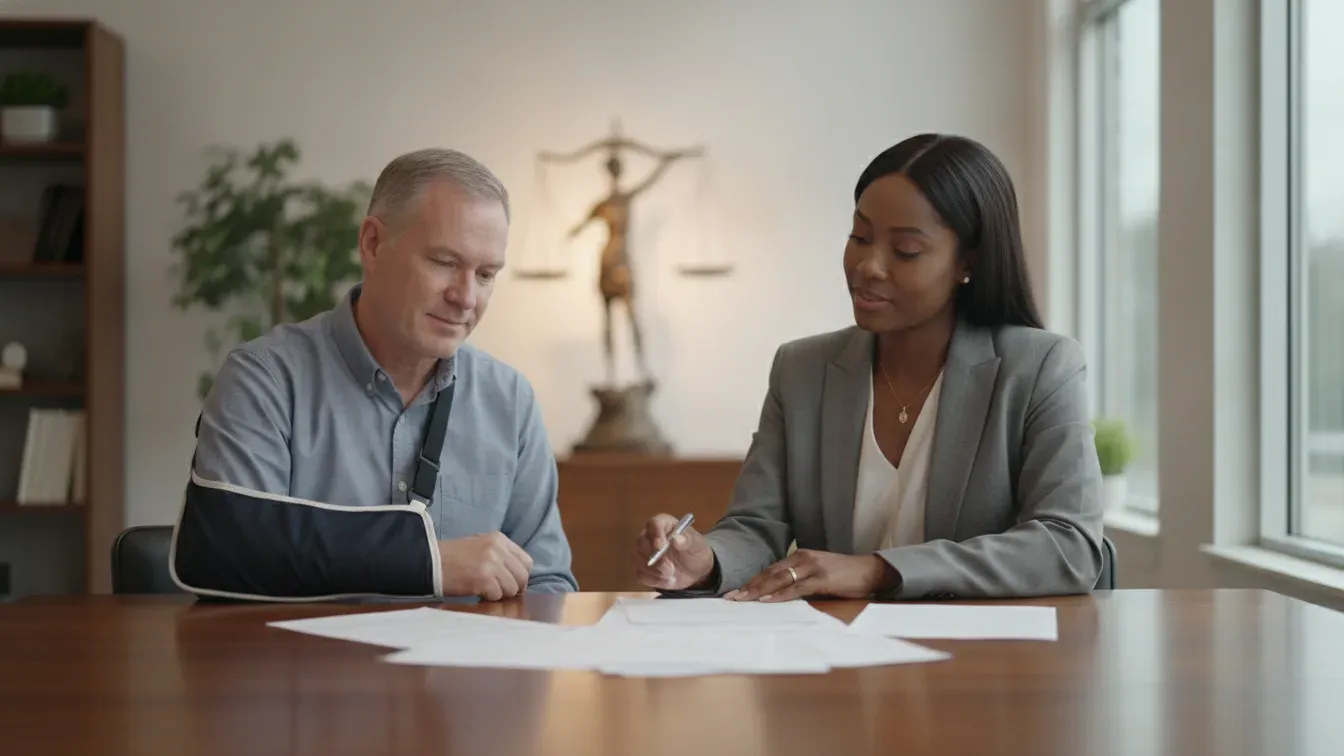
Walking into a lawyer's office for the first time can feel intimidating, but it doesn't have to be. Your initial consultation is simply a structured conversation. It's your chance to share what happened, and it's the attorney's chance to listen and see how they can help. Think of it less like a test and more like a strategy session. The goal is for both of you to get the information you need to decide if working together is the right move. You'll be discussing the details of your situation, from a slip and fall incident to a serious construction accident, and getting a feel for the lawyer's approach. This meeting sets the foundation for your potential case, so knowing what to expect can help you feel more confident and prepared.
Your first meeting is a two-way interview. While the attorney will ask questions to understand the specifics of your case, you should also feel empowered to ask your own questions. The conversation will likely start with you explaining what happened in your own words. The lawyer will listen carefully, taking notes and asking for clarification on key points. They need to gather enough information to determine if you have a valid claim. This is also your opportunity to learn more about the firm and decide if their team feels like the right fit for you. The atmosphere should be professional but comfortable, allowing for an open exchange of information.
To make the most of your consultation, be ready to tell your story. The clearest way to do this is to focus on the basic facts: who was involved, what happened, when and where it occurred, and how it has impacted your life. The more details you can provide about your motorcycle accident or other incident, the better the attorney can assess your situation. Don't worry about knowing all the legal terms or having a perfect narrative. Just be honest and thorough. Your lawyer is trained to piece together the important elements and understand the legal implications of the events you describe. Your perspective is the most important part of this conversation.
One of the most important things to know before you walk in is that your conversation is confidential. This is protected by what's called "attorney-client privilege." From the moment your consultation begins, anything you share with the attorney is private. This protection applies even if you decide not to hire them. The law is designed this way so you can speak freely and honestly about every detail of your case, including sensitive information about your injuries or any potential mistakes you think you made. This confidentiality is the cornerstone of a trusting relationship with your legal team and allows them to provide the best possible advice for your personal injury representation.
Your first meeting with an attorney is more than just a Q&A session; it's a crucial conversation that sets the stage for your entire case. The goal is for both you and the lawyer to understand each other and decide if you’re a good fit to work together. How you communicate during this initial consultation can make a huge difference in its productivity and outcome. The key is to focus on being clear, honest, and prepared to share your story. This isn't about performing or having all the perfect answers; it's about providing the information your potential lawyer needs to effectively help you. They are there to listen and offer guidance, so creating an open line of communication from the start builds a strong foundation for trust and collaboration. A successful meeting hinges on your ability to convey the facts of your case, which allows the attorney to give you the most accurate assessment and sound legal advice. Think of it as the first step in building a team that will work together toward your best possible outcome. By communicating effectively, you empower your attorney to become your best advocate right from day one.
Think of your attorney as your strategic partner. For them to build the strongest case for you, they need all the information—the good, the bad, and the complicated. It can be tempting to leave out details you think might weaken your case, but holding back can cause major problems later. The other side will certainly find and use any information they can, so it’s far better for your lawyer to hear it from you first. This allows them to prepare a defense and frame the narrative effectively. Being upfront builds a foundation of trust and ensures the legal advice you receive is based on the complete picture of your situation.
While it’s important to be thorough, you also want to be clear and concise. Start by giving a straightforward overview of what happened, using the timeline you prepared. This gives the attorney a solid framework to understand the key events. Once you’ve covered the main points, you can fill in more specific details. Try not to get bogged down in every minor point right away, as it can make the story confusing. For example, if you were injured in a slip and fall accident, start with the date, location, and the immediate aftermath before detailing every conversation you had that day. A clear narrative helps your lawyer quickly identify the critical legal issues in your case.
Discussing a personal injury and its impact on your life is naturally emotional. It’s perfectly okay to feel upset, frustrated, or overwhelmed, and any experienced attorney will understand that. However, try to remain as focused as possible on the facts. The more clearly you can communicate what happened, the more effectively your lawyer can assess your case. If you feel yourself getting overwhelmed, take a deep breath or ask for a moment. The goal of your free case evaluation is to get the legal clarity you need, and staying centered on the details will help you make the most of your time together.
Your first meeting with a personal injury lawyer is a big step, and it's natural to feel a little nervous. You want to make a good impression and give your potential attorney everything they need to evaluate your case. To help things go smoothly, it’s just as important to know what not to do. Avoiding a few common missteps can make your consultation much more productive and set your case on the right track from the very beginning. Let's walk through some simple things to keep in mind so you can feel confident and prepared for a successful meeting.
While it’s essential to come prepared, you should leave your original documents at home. Instead, bring copies of everything—police reports, medical records, photos, and correspondence with insurance companies. This ensures your lawyer has all the necessary information without you risking the loss or damage of your original files. Handing over a neat stack of copies shows you're organized and serious about your case. It also protects your important papers, which you should always keep in a safe place. Showing up empty-handed is a mistake, but so is bringing your only copy of a crucial piece of evidence.
The single most important rule for your meeting is to be completely honest. It can be tempting to omit details you think might hurt your case or to exaggerate others to make your claim seem stronger. Please don't do this. Your attorney needs the full, unedited story to build the best possible strategy for you. Withholding information, even small details about a car accident, can cause major problems later on. Your lawyer is your advocate, and the attorney-client privilege exists to protect your conversation. Trust them with the truth so they can effectively fight for you.
You don't need to use legal jargon or try to "speak like a lawyer." Your attorney wants to hear the story in your own words. Trying to use terms you're not familiar with can lead to confusion and may not accurately describe what happened. Just speak clearly and honestly about the events. The more information you can provide, the better your lawyer can understand your situation and figure out how to help. Remember, the legal team at The Cornwell Firm is here to listen and support you, not to judge the way you tell your story. Clear, straightforward communication is always the best approach.
Your initial consultation is more than just a meeting; it's your opportunity to get answers, find a sense of direction, and decide if an attorney is the right partner for you. Walking in prepared can make a world of difference, turning a potentially overwhelming conversation into a productive one. By taking a few simple steps, you can ensure you leave the meeting feeling confident and clear about your path forward. Think of this as your first step toward taking back control of your situation.
Your time with a potential attorney is valuable, so you’ll want to use every minute effectively. This first meeting is a critical chance to get professional advice and see if the lawyer’s approach fits your needs. When you come prepared with your documents and a clear timeline of events, you allow the attorney to get up to speed quickly and offer more specific guidance. This preparation shows that you’re serious about your case and helps the lawyer determine how they can best support you. It’s a two-way interview, and being organized helps you both decide if it’s the right match.
During the consultation, you'll be taking in a lot of new information. It’s completely normal to feel a bit overwhelmed, which is why taking notes is so important. Bring a notepad or use a notes app on your phone to jot down key points, legal terms you don’t understand, and the attorney’s answers to your questions. This record will be incredibly helpful to review later. Having your pre-written list of questions handy ensures you don’t forget anything important in the moment. This is especially true for complex situations like a medical malpractice claim, where details are everything.
Before you walk out the door, make sure you have a clear understanding of what happens next. If you feel confident and decide to hire the lawyer, you’ll likely need to sign a contract or retainer agreement. Ask them to walk you through the payment structure and the services included. It’s also a good idea to ask about their communication process—when and how can you expect to hear from them? Knowing the next steps, whether it’s for a construction site injury or another personal injury matter, eliminates uncertainty and helps you know what to expect as your case moves forward.
What if I can't find all the documents you listed? Should I reschedule my meeting? You should absolutely still go to your meeting. It's rare for anyone to have every single piece of paper perfectly organized right after an accident. The most important thing is to get legal advice as soon as possible. Bring what you have, and your lawyer can help you figure out how to obtain any missing documents, like a police report or specific medical records. Don't let the search for perfect paperwork delay getting the help you need.
Will I have to pay for this initial consultation? No, you will not have to pay for your first meeting. Personal injury firms like The Cornwell Firm offer free case evaluations and typically work on a contingency fee basis. This simply means the lawyer's fee is a percentage of the compensation they recover for you. If you don't win your case, you don't owe any attorney's fees. Be sure to ask for a clear explanation of this during your meeting so you feel completely comfortable with the arrangement.
What if I'm worried I'll forget to mention something important? That's a completely normal concern, and it's why preparing a written timeline and a list of questions is so helpful. However, remember that a good lawyer is trained to guide the conversation and ask the right questions to get the information they need. They don't expect you to have a perfect memory or a polished story. Just focus on being as open and honest as you can, and trust that your attorney will help you fill in any gaps.
Do I have to decide whether to hire the lawyer right there at the first meeting? Not at all. The initial consultation is a no-pressure conversation for both of you. It's your chance to understand your legal options, get a feel for the attorney's approach, and see if you feel comfortable with them. You should take the time you need to make a decision that feels right for you. A reputable lawyer will want you to feel confident in your choice and will not pressure you to sign anything on the spot.
What's the single most important thing to remember during the meeting? The most critical thing is to be completely honest. It can be tempting to leave out a detail you think might make you look bad, but your attorney needs the whole story to build the strongest case for you. They are on your side, and your conversation is confidential. Hiding facts almost always causes bigger problems down the road, so trust your lawyer with the complete truth from the very beginning.