5.0

(912) 225-4938 Serving Georgia & South Carolina
Request Call Back

One of the biggest myths after an injury on someone else’s property is that it was simply a clumsy moment or a freak accident. The truth is often more complex. Property owners have a legal obligation to maintain a safe environment, and when their negligence leads to harm, you have the right to seek justice. Whether you were hurt by a falling object in a retail store, a poorly lit staircase in an apartment building, or an unsecured hazard on a construction site, your injuries may be grounds for a claim. This article will break down the essentials of these cases, from proving fault to dealing with insurance companies. We’ll provide the clarity you need to move forward with confidence and explain why consulting a premises liability attorney in Savannah, GA, is a critical step in protecting your rights.
At its core, premises liability law is about keeping people safe. It’s the legal principle that holds property owners responsible for injuries caused by unsafe or hazardous conditions on their property. Think of it as a duty of care. When you visit a grocery store, a friend’s house, or a public park in Savannah, you have a reasonable expectation that you won’t be harmed by the owner’s negligence. If a property owner fails to maintain a safe environment and you get hurt as a result, you may have a valid premises liability claim.
So, when is it time to call a lawyer? The moment you’re injured on someone else’s property is a good time to consider it. These cases can be complex, and property owners or their insurance companies often try to minimize their responsibility. An experienced attorney can help you understand your rights, gather the necessary evidence to prove negligence, and fight for the compensation you deserve for medical bills, lost wages, and pain and suffering. If you’re unsure whether your situation qualifies, discussing the details with a legal professional can bring clarity and help you decide on the best path forward for your premises liability claims.
In Georgia, property owners have a legal duty to keep their premises reasonably safe for visitors. This doesn't mean they have to guarantee no one will ever get hurt, but it does mean they must take practical steps to prevent foreseeable harm. This responsibility generally involves two key actions: repairing known hazards and warning visitors about dangers that can't be fixed immediately. For example, a store owner should clean up a spill promptly or, at the very least, put out a "wet floor" sign to warn shoppers. This duty of care applies whether it’s a leaky pipe in an apartment building or a broken handrail at a private residence.
One of the biggest myths about premises liability is that it only covers "slip and fall" accidents. While those are common, this area of law is much broader. It includes injuries from falling objects, inadequate security that leads to an assault, swimming pool accidents, and even animal attacks. For instance, our firm provides dedicated dog bite representation for victims. Another common misconception is that you can only sue businesses or commercial properties. In reality, private homeowners can also be held liable if their negligence leads to an injury on their property. Understanding the full scope of these laws is the first step toward protecting your rights.
Georgia’s comparative negligence rule is a critical factor in any personal injury case. This law acknowledges that sometimes, more than one person is at fault for an accident. If you are found partially responsible for your own injury, you can still receive compensation, but only if your share of the fault is less than 50%. Your final compensation award will be reduced by your percentage of fault. For example, if you were awarded $100,000 but found to be 10% at fault, you would receive $90,000. However, if you are deemed 50% or more responsible, you cannot recover any damages at all. This is why having a skilled attorney is so important.
When you hear "premises liability," you might immediately think of someone slipping on a wet floor. While that's a common example, this area of law covers a much wider range of incidents where a person is injured because of unsafe conditions on someone else's property. In Georgia, property owners have a legal duty to keep their premises reasonably safe for visitors. When they fail to meet that responsibility, and someone gets hurt, they can be held accountable.
At The Cornwell Firm, we handle a variety of premises liability claims for clients in Savannah. These cases can happen anywhere, from a neighbor’s home or a local grocery store to an apartment complex or a public park. The core of each case is proving that the property owner was negligent in maintaining their property, which directly led to your injury. Understanding the specific type of incident you were involved in is the first step toward building a strong case. Below, we cover some of the most common types of premises liability cases we see.
A slip and fall accident is exactly what it sounds like: an injury caused by slipping, tripping, or falling due to a hazard on the property. These hazards can include unmarked wet floors, icy sidewalks, uneven pavement, torn carpeting, or poor lighting in a hallway. To have a valid claim, it isn't enough to just fall and get hurt. We must show that the property owner either knew about the dangerous condition or should have known about it, yet they did nothing to fix it or warn you about the risk. Proving this negligence is key to securing the compensation you need for your recovery.
Property owners are not only responsible for the physical condition of their property but also for providing a reasonably safe environment. When a lack of proper security leads to a visitor being assaulted, robbed, or otherwise harmed by a third party, it can be the basis for an inadequate security claim. This often applies to places like apartment buildings, parking garages, hotels, or shopping centers. Examples of negligence include broken locks, poor lighting in common areas, or failing to have security personnel present when necessary. If a property owner could have foreseen a risk of criminal activity and didn't take reasonable steps to prevent it, they may be held liable for the resulting injuries.
Beyond obvious slip-and-trip hazards, property owners must address a wide range of maintenance issues that could cause harm. These failures can lead to serious injuries from incidents you might not expect. For example, you could be hurt by merchandise falling from a high shelf in a store, a collapsing deck or staircase, a faulty elevator, or an exposed electrical wire. These types of retail store accidents and other incidents are often the result of a property owner cutting corners or simply neglecting their duty to perform regular inspections and repairs. If you were injured because a property was poorly maintained, you have the right to seek justice.
An injury from a dog bite can be physically and emotionally traumatic. In Georgia, these incidents often fall under premises liability law, as the owner is responsible for controlling their animal, especially on their own property. If a dog attacks you, the owner may be held liable for your injuries, including medical bills, lost wages, and pain and suffering. Our team provides dedicated dog bite representation to help victims understand the specific laws that apply in these situations. We work to establish the owner's negligence and hold them accountable for the harm their animal caused.
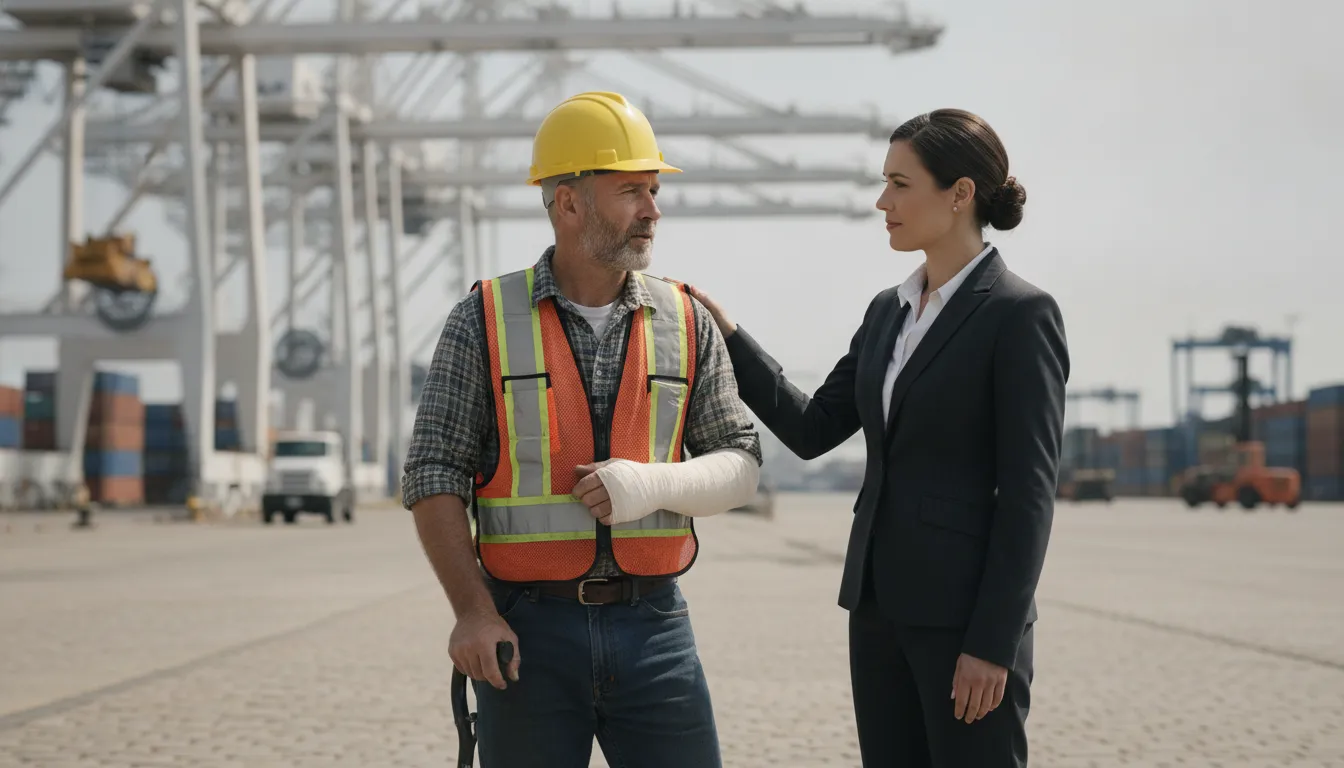
Construction sites are full of potential dangers, not just for workers but for visitors and even passersby. While employees are typically covered by workers' compensation, non-workers who are injured due to site negligence may have a premises liability claim. These construction accidents can be caused by falling debris, unmarked holes or trenches, unsecured equipment, or other hazards that were not properly managed or sectioned off from the public. Property owners and site managers have a duty to ensure the area is reasonably safe for anyone lawfully on the premises, and we can help if their failure to do so resulted in your injury.
The moments immediately following an injury can feel chaotic and overwhelming. It’s hard to think clearly when you’re in pain and trying to process what just happened. However, the actions you take right after the incident are critical for both your health and your ability to secure fair compensation later. Protecting your rights starts with a few simple, strategic steps. By staying calm and focusing on what you can control, you can lay a strong foundation for a potential premises liability claim.
Think of it as gathering the essential pieces of a puzzle. Each piece of information you collect and every step you take helps build a clearer picture of the property owner's negligence. From documenting the scene to getting the right medical care, your early actions can make a significant difference in the outcome of your case. It’s about ensuring you have the evidence needed to hold the responsible party accountable. Insurance companies often start building their defense immediately, so it's important that you start protecting your interests just as quickly. If you’ve been hurt on someone else’s property in Savannah, knowing what to do next is your first step toward recovery and justice.
After an accident, your first instinct might be to leave the scene as quickly as possible, but it’s important to gather evidence first, if you are physically able. Use your phone to take photos and videos of exactly what caused your injury, whether it was a wet floor, a broken stair, or an unmarked hazard. Capture the surrounding area as well to provide context. If anyone saw what happened, ask for their name and phone number. Their account could be crucial. As soon as you can, write down every detail you remember about the incident. Most importantly, avoid giving any recorded statements to an insurance company until you have spoken with an attorney. They are often looking for ways to minimize your claim.
Always report your injury to the property owner, manager, or an employee right away. This creates an official record of when and where the incident occurred. Ask for a copy of the report before you leave. Your top priority, however, should always be your health. Seek medical attention immediately, even if you feel your injuries are minor. Some injuries, like concussions or internal damage, aren't immediately obvious. A doctor’s visit not only ensures you get the care you need but also creates a medical record that links your injuries directly to the accident. This documentation is essential for any future premises liability claims.
It’s easy to make mistakes in the stressful aftermath of an injury, but some can seriously harm your case. Never downplay your pain or tell anyone you’re “fine.” Adrenaline can mask the severity of an injury. It’s also a common myth that you can only receive compensation for physical injuries. The law allows you to seek damages for lost wages, emotional distress, and pain and suffering. Be careful about what you post on social media, as insurance companies will look for anything that contradicts your claim. Acting quickly is key, so don’t wait to get legal advice. Understanding your rights from the start helps you avoid these pitfalls and protect your claim.
Winning a premises liability case isn't always straightforward. Even when it seems clear that a property owner was at fault for your injury, you can run into several obstacles. Insurance companies have teams dedicated to minimizing payouts, and Georgia's laws have specific requirements you must meet. Understanding these challenges ahead of time is the first step toward building a strong case and getting the compensation you deserve.
The biggest hurdle in any premises liability claim is proving negligence. In Georgia, property owners are expected to keep their property reasonably safe and warn visitors about any known dangers. To win your case, you must show that the owner failed to meet this responsibility. This means demonstrating that they either knew about the hazardous condition, like a broken railing or a wet floor, and did nothing about it, or that they should have known about it through regular maintenance and inspection. Gathering evidence to establish this failure can be difficult without an immediate and thorough investigation.
Shortly after your accident, you will likely hear from the property owner’s insurance company. While the adjuster may sound helpful, their goal is to protect their company's interests by paying out as little as possible. They might ask for a recorded statement to find inconsistencies in your story or offer a quick, low settlement before you know the full extent of your injuries. An experienced attorney can handle all communications with the insurer, protecting you from these tactics and ensuring you don't settle for less than you need for your recovery from complex premises liability claims.
In Georgia, you have a limited time to take legal action after an injury. This deadline, known as the statute of limitations, is generally two years from the date the injury occurred. If you fail to file a lawsuit within this window, you will likely lose your right to seek compensation forever. It’s critical to act quickly, not just to meet the deadline, but also to preserve important evidence and witness testimony while it's still fresh. If you have questions about your specific case, our team can help you understand the timelines that apply.
Georgia follows a "modified comparative fault" rule, which can affect your ability to recover damages. This rule means that if you were partially at fault for your own injury, your compensation can be reduced. For example, if a jury finds you were 20% responsible for your slip and fall accident, your total award will be reduced by 20%. If you are found to be 50% or more at fault, you cannot recover any compensation at all. Insurance companies often use this rule to shift blame and reduce their payout, making it essential to have a lawyer who can defend your actions.
Finding the right legal partner after an injury can feel overwhelming, but it’s one of the most important steps you can take. The right attorney will not only handle the legal complexities but also provide the support you need during a difficult time. Let’s walk through what to look for, how legal fees work, and what questions you should ask to find the best fit for your case.
When you’re searching for an attorney, focus on two key things: relevant experience and local knowledge. You want someone who has a strong track record with premises liability claims specifically, not just general personal injury. This area of law has its own nuances, and an experienced lawyer will know exactly how to build a strong case based on them.
It’s also vital that your attorney deeply understands Savannah and Georgia laws. Property owners here have specific legal duties to keep their premises safe for visitors. An attorney who is an expert in these local regulations can effectively argue that the property owner failed in their responsibility, which is the foundation of your claim.
Worries about cost should never stop you from seeking justice. Most reputable personal injury attorneys, including our team at The Cornwell Firm, work on a contingency fee basis. This is sometimes called a "no-win, no-fee" promise. It means you don’t pay any attorney fees unless we successfully win your case through a settlement or verdict. This approach allows you to pursue your claim without any upfront financial risk.
You should also start with a free case evaluation. This initial meeting is your chance to share the details of your incident and get a professional opinion on your legal options, all without any cost or obligation. It’s a great way to see if an attorney is a good fit for you.
Your initial consultation is the perfect time to ask direct questions. Being prepared can help you make an informed decision. Consider asking things like:
The answers to these questions will give you a clear picture of their experience and communication style. You want to feel confident that our attorneys have the expertise and dedication to manage your case effectively from start to finish.
Thinking about a legal claim can feel overwhelming, but understanding the process makes it much more manageable. When you pursue a premises liability claim, you’re taking a structured path toward getting the compensation you need. The journey involves building a strong case, negotiating with the other side, and, if necessary, preparing for trial. With an experienced attorney guiding you, each step is handled with care, allowing you to focus on your health while we handle the legal details. Let’s walk through what you can expect.
The first step is to file your claim, but the real work is building your case. This is where a skilled Savannah attorney is essential. We start by conducting a thorough investigation into your accident, gathering all available evidence like photos, incident reports, witness statements, and your medical records. We work to prove the property owner was negligent and that their negligence directly caused your injuries. A strong, well-documented case is the foundation for every successful premises liability claim and is critical for securing a fair outcome.
Most personal injury cases are resolved through a settlement without going to court. Once we’ve built a strong case, we present it to the property owner’s insurance company and begin negotiations. Our goal is to secure a settlement that fully covers your losses, and we handle all communication and fight back against lowball offers. If the insurance company refuses to offer a fair amount, we are prepared to take your case to trial. The decision is always yours, and we will provide the guidance you need to make the best choice.
The compensation you can receive, known as "damages," is meant to cover the losses you’ve suffered from the accident. These damages fall into two main categories. The first is economic damages, which are tangible financial costs like medical bills, future treatment, and lost wages. The second is non-economic damages, which cover non-financial losses such as pain, suffering, and emotional distress. Our team works to identify all the ways your injury has impacted your life to ensure we seek the full amount of compensation you deserve.
After an injury, choosing the right legal team is one of the most important decisions you'll make. You need more than just a lawyer; you need a dedicated advocate who understands what you're going through and has the experience to handle your case effectively. At The Cornwell Firm, we focus on providing compassionate and skilled representation to our clients in Savannah. We believe in building a strong relationship with you from day one, ensuring you feel supported and informed throughout the entire legal process. Our goal is to handle the legal complexities so you can focus on your recovery.
When you're dealing with an injury from a slip and fall or an unsafe property, you need a team that knows this specific area of law inside and out. Our attorneys have extensive experience with premises liability claims in Savannah. We have helped many clients reclaim their peace of mind and achieve financial stability after an accident. We understand the tactics property owners and insurance companies use to minimize their responsibility, and we are prepared to counter them. Our team is committed to investigating every detail of your case to build the strongest argument for the compensation you deserve.
We know that the last thing you need after an injury is another financial burden. That’s why we offer free case evaluations to discuss the details of your situation with no obligation. You can share your story with an experienced attorney who will provide clear, honest advice about your options. Furthermore, we handle all premises liability cases on a contingency fee basis. This means you pay absolutely no fees unless we win your case. Our promise is simple: we only get paid if you do. This approach allows you to seek justice without any upfront financial risk.
From your first phone call to the final resolution of your case, our entire team is here for you. We pride ourselves on providing dedicated, personal support every step of the way. You will have direct access to our attorneys and staff, who will keep you updated and answer any questions you have. We handle all the phone calls, paperwork, and negotiations so you can concentrate on getting better. Our clients often tell us that our guidance and consistent communication made a difficult time much more manageable, and that’s the standard of care we strive to provide for everyone we represent.
What if the property owner says the accident was my fault? It’s very common for property owners or their insurance companies to try to shift blame onto the injured person. Georgia’s comparative fault law allows for this, but it doesn’t automatically disqualify your claim. As long as you are found to be less than 50% responsible for the incident, you can still recover compensation. An experienced attorney can build a strong case to counter these arguments and demonstrate how the owner’s negligence was the primary cause of your injury.
Do I still have a case if my injury happened at a friend's house instead of a business? Yes, you absolutely can. Premises liability law applies to private property owners, not just commercial businesses. Homeowners have a legal duty to maintain a reasonably safe environment for their guests. If you were injured because of a known hazard that your friend failed to fix or warn you about, like a broken step or an aggressive pet, you may have a valid claim against their homeowner's insurance policy.
How much will it cost me to hire The Cornwell Firm for my case? We handle all premises liability cases on a contingency fee basis, which means you pay nothing upfront. Our fee is a percentage of the compensation we recover for you, so we only get paid if we win your case. This approach allows you to get expert legal representation without any financial risk, so you can focus on your recovery instead of worrying about legal bills.
My injury doesn't seem that serious. Is it still worth pursuing a claim? You should always take any injury seriously. Some injuries, like soft tissue damage or concussions, can have delayed symptoms that become more severe over time. Seeking immediate medical attention creates a crucial record linking your injury to the accident. Even if your medical bills are minor, you may be entitled to compensation for pain and suffering. A free consultation can help you understand your options without any pressure.
What is the most important thing I can do right after being injured on someone's property? After ensuring you are safe, the two most critical steps are documenting the scene and seeking medical care. If you can, use your phone to take pictures of the exact hazard that caused your injury and the surrounding area. Then, see a doctor right away, even if you feel fine. This creates an official medical record of your injuries, which is essential evidence for proving your claim later on.