5.0

(912) 225-4938 Serving Georgia & South Carolina
Request Call Back
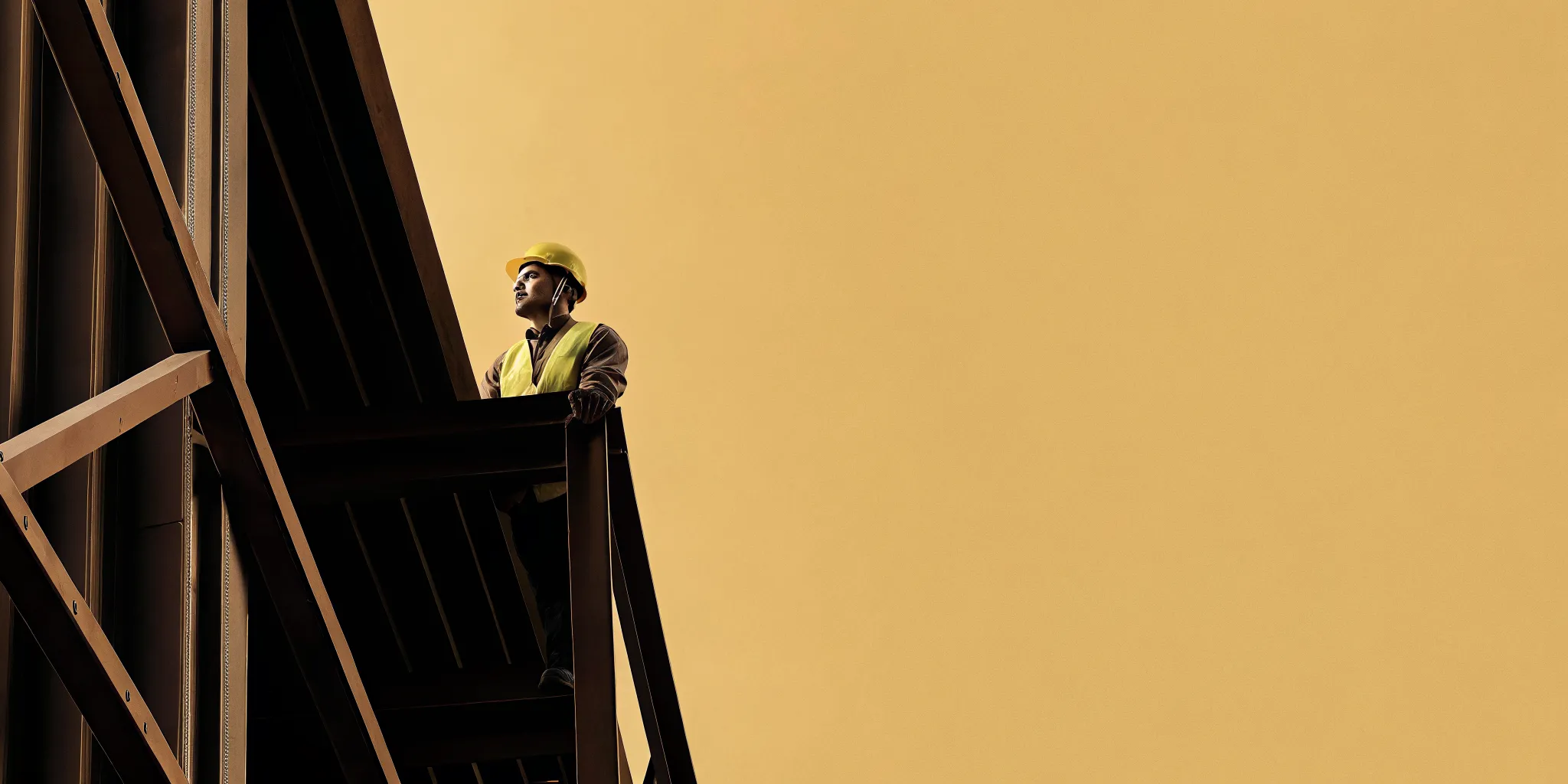
A serious construction injury can turn an ordinary shift into a crisis. If you are looking for a construction accident lawyer Savannah workers can turn to, it is important to understand that more than one legal path may be available. Workers' compensation may provide benefits through your employer, while a separate claim against a negligent third party may address losses workers' compensation does not. The right option depends on how the accident happened, who controlled the hazard, and the evidence available.
Injured on a Savannah job site? Request a free case evaluation with The Cornwell Firm. There are no upfront attorney fees, and you pay no attorney fees unless we recover for you.
Construction sites involve overlapping crews, changing conditions, heavy machinery, and tight schedules. That can make a claim more complicated than a typical workplace injury. It can also make early action valuable, because the people and companies responsible may begin repairing the site, moving equipment, or disputing what occurred soon after an accident.
Workers' compensation is generally the first place many injured employees look after a work-related accident. It is designed to provide benefits without requiring the worker to prove that an employer caused the injury. Depending on the circumstances, benefits may include authorized medical care and wage-related benefits. The tradeoff is that workers' compensation is usually limited compared with a personal injury lawsuit.
A third-party claim is different. It is a negligence claim against someone other than the injured worker's employer. For example, the responsible party could be a general contractor, another subcontractor, a property owner, a delivery company, or the maker of defective equipment. A successful third-party case may allow recovery for losses that are not ordinarily part of workers' compensation, including pain and suffering and the full effect an injury has on a person's life.
| Workers' compensation | Third-party injury claim |
|---|---|
| Typically tied to employment and a work-related injury | Targets a negligent party other than the direct employer |
| Usually does not require proving employer fault | Requires evidence that the third party's negligence caused harm |
| May provide medical and wage-related benefits | May seek broader personal injury damages when supported by the facts |
| Often has its own reporting and administrative requirements | May involve a separate insurance claim or lawsuit |
These paths are not necessarily either-or. In some cases, an injured worker may pursue workers' compensation benefits and investigate a third-party claim at the same time. The facts matter, and deadlines can differ. For a closer look at the types of site-injury cases the firm handles, visit our Savannah construction accidents practice page.
A construction site may have a developer, property owner, general contractor, multiple subcontractors, equipment suppliers, delivery companies, and safety personnel. The company that signs a worker's paycheck is not always the only company whose conduct matters. A third-party claim may be worth investigating when evidence suggests another entity created, controlled, or failed to correct a dangerous condition.
One crew's work can place another crew at risk. A subcontractor may leave debris in a walkway, remove a guardrail, operate equipment carelessly, or fail to secure a work area. If that conduct caused an injury, the responsible company may be a third party even though the injured person was working on the same project.
General contractors and others who control a project may have responsibilities related to coordination, access, and known hazards. Whether a particular party can be held liable depends on the contracts, the control it exercised, site rules, inspection records, and the facts of the accident. A careful investigation should identify who had authority to correct the condition that caused the injury.
A failed lift, defective power tool, damaged harness, or unsafe piece of machinery can raise questions about product design, manufacturing, maintenance, warnings, or repairs. In these cases, preserving the equipment and obtaining records before it is altered or discarded can be especially important.
Some construction injuries involve hazards tied to the property itself, such as an unmarked dangerous condition, an unsafe access route, or a condition the owner knew about but did not address. The legal analysis is fact-specific, but the owner or manager may be relevant to a third-party investigation.
If your injury involved another company, a property owner, or defective equipment, request a call back before key evidence disappears.
Construction work presents different risks across every trade. Some injuries happen in an instant; others result from unsafe conditions that have existed for days or weeks. A construction accident lawyer Savannah families consult can help assess the facts behind injuries involving:
Construction safety is not an abstract concern. The U.S. Bureau of Labor Statistics reported that construction had the highest number of fatal workplace injuries among Georgia industries in 2024. Its report also identified transportation incidents and fatal falls, slips, and trips as leading causes of fatal construction injuries in the state. Those figures do not determine any individual case, but they underscore why a thorough investigation matters after a serious site accident.
Your medical needs come first. If you can safely do so, the following steps can help protect your health and preserve information that may matter later:
If an insurer contacts you, you can be respectful without making assumptions about responsibility or the full extent of your injury. Many construction injuries develop over time, particularly injuries involving the brain, spine, joints, or repetitive limitations.
A third-party construction claim requires more than showing that an accident happened. It may require proof that another party owed a duty of reasonable care, failed to meet that duty, and caused the injury. Because job sites change quickly, an investigation may need to move promptly.
Depending on the case, useful evidence may include site photographs and video, incident reports, witness statements, contracts, safety meeting records, inspection logs, equipment maintenance records, training records, communications between contractors, and records showing which company controlled a work zone. The goal is to understand the full chain of events, not to jump to conclusions.
The Cornwell Firm's attorneys bring former insurance-defense experience to injury claims. That perspective can be valuable when evaluating the records and arguments an insurer may rely on. W. Brian Cornwell also brings practical construction-industry familiarity through his family background, alongside the firm's focus on serious construction-site injuries.
Deadlines matter after any serious injury. Georgia personal injury claims often have a two-year filing deadline, but the right deadline can depend on the claim, the parties involved, and other facts. Do not treat a general rule as legal advice for your situation. Review our guide to the Georgia personal injury statute of limitations and speak with a lawyer promptly about your own timeline.
Insurers may also argue that an injured person was partly at fault. That does not automatically end a case. The facts, evidence, and Georgia's comparative-negligence rules can affect what a person may recover. Learn more about shared-fault rules in Georgia if fault is being disputed.
After a construction accident, you should not have to sort through multiple companies, insurance calls, and medical appointments alone. The Cornwell Firm can evaluate the circumstances, identify potential sources of recovery, and pursue the evidence needed to understand what happened. For families grieving a fatal construction accident, the firm can also discuss wrongful death claims and the next steps available under the facts.
Our Savannah team is locally and family-owned, available 24/7, and able to meet clients where they need us, including at home or in a hospital when appropriate. We offer English and Spanish support, free case evaluations, and contingency-based representation. That means no upfront attorney fees and no attorney fees unless we secure a recovery.
For a confidential, free case evaluation, contact The Cornwell Firm today.
Workers' compensation is often the primary remedy involving a direct employer, but a separate claim may be available against a negligent third party. The answer depends on the employment relationship, the companies involved, and how the accident occurred.
When supported by the evidence, a third-party personal injury claim may seek losses beyond workers' compensation benefits, such as medical expenses, lost income, loss of earning capacity, and pain and suffering. Every claim is different, and compensation is never guaranteed.
Potentially responsible parties can include another contractor, a subcontractor, a general contractor, a property owner, an equipment manufacturer, or a company responsible for maintenance or delivery. An investigation is needed to identify which parties had relevant control or responsibility.
Consider speaking with a lawyer as soon as you are medically able, especially after a serious injury, a disputed incident, an accident involving machinery or a fall, or an accident with several companies on site. Early legal guidance can help preserve evidence and clarify your options.
This article is general information, not legal advice. A discussion with an attorney can address the specific facts of your construction accident.