5.0

(912) 225-4938 Serving Georgia & South Carolina
Request Call Back

It’s easy to blame yourself after a fall, feeling clumsy or embarrassed. But the law sees it differently. Property owners in Savannah have a legal responsibility to keep their premises reasonably safe for visitors. When they fail to clean up a spill, fix a broken stair, or warn you about a known hazard, they are being negligent. Your injury isn’t just bad luck; it’s the result of their carelessness. People searching for a slip and fall attorney beaufort sc face the same legal principle: holding property owners accountable. This article will walk you through the common causes of these accidents and explain how to prove negligence so you can get the justice you deserve.
After a slip and fall, you might feel overwhelmed by medical bills and unsure of your next steps. This is where a personal injury attorney can make a significant difference. Their job is to handle the legal complexities of your case so you can focus on your recovery. From the moment you hire them, they become your advocate, working to hold the negligent property owner accountable and secure the compensation you need to move forward. A skilled attorney manages every detail, from investigating the accident to fighting for your rights against insurance companies.
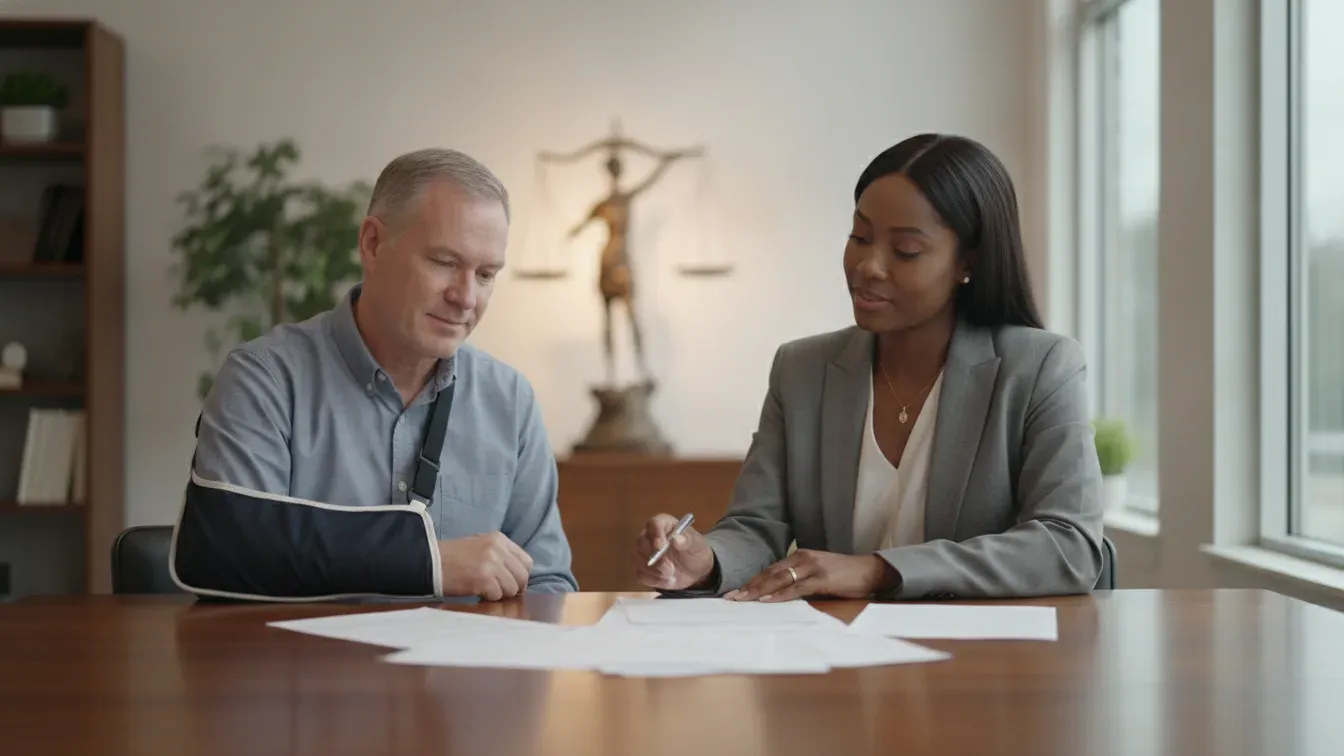
The first step is understanding if you have a valid claim. Most personal injury attorneys in Savannah offer a free consultation to review the details of your accident. During this meeting, they will listen to your story, assess the property owner's potential liability, and explain your rights under Georgia law. This is your opportunity to ask questions and get a clear picture of your legal options without any financial commitment. It’s a crucial, no-obligation step that provides clarity and helps you decide how to proceed. You can schedule a free case evaluation to get started.
Building a successful slip and fall case requires strong evidence. An attorney takes on the role of an investigator, working quickly to preserve crucial information before it disappears. This includes gathering photos of the scene, tracking down and interviewing witnesses, obtaining security camera footage, and collecting incident reports and maintenance logs. They know exactly what to look for to establish negligence. This thorough investigation is essential for building strong premises liability claims and proving that the property owner’s carelessness led to your injuries. Without this professional support, critical evidence can easily be lost.
Dealing with insurance companies can be incredibly frustrating. Adjusters are trained to protect their company's bottom line, which often means offering quick, lowball settlements that don't cover the full extent of your damages. When you have an attorney, all communication goes through them. They will handle the back-and-forth negotiations, protecting you from pressure tactics and fighting for a fair settlement that accounts for your medical expenses, lost wages, and pain and suffering. Having a professional negotiator on your side ensures you aren't taken advantage of during a vulnerable time.
While many slip and fall cases are settled out of court, sometimes the insurance company refuses to make a fair offer. If that happens, you need an attorney who is prepared to take your case to trial. A seasoned litigator will handle every aspect of the legal proceedings, from filing the lawsuit to arguing your case before a judge and jury. Their willingness to go to court often sends a strong message to the opposition that you are serious about your claim. When you meet with a potential lawyer, you should feel confident in their ability to represent you effectively, both at the negotiating table and in the courtroom.
Slip and fall accidents are one of the most common types of personal injury claims. These incidents fall under an area of law known as premises liability, which holds property owners responsible for maintaining a safe environment for visitors. When they fail to fix a known hazard or warn people about it, and someone gets hurt as a result, they can be held legally responsible for the injuries.
These accidents can happen anywhere, from a local grocery store to a neighbor’s front porch. The key factor isn’t just that you fell, but that the fall was caused by a dangerous condition that the property owner should have addressed. Understanding the different scenarios that lead to these claims can help you recognize if you have a valid case. Whether it’s a temporary issue like a spill or a long-term problem like a broken stair, the owner’s negligence is what matters. Below are some of the most frequent situations we see in Savannah that lead to slip and fall cases.
When you visit a business in Savannah, you have a right to expect a safe environment. Unfortunately, retail store accidents are incredibly common. Spills in grocery store aisles, dropped food on a restaurant floor, or recently mopped areas without a "wet floor" sign can all create dangerous situations. Property owners and their employees are expected to conduct regular inspections and clean up hazards promptly. If they fail to do so and you are injured, they may be liable for your medical bills and other damages. These incidents can happen in any commercial space, including hotels, shopping malls, and office buildings.
Many slip and fall injuries are caused by poorly maintained walking surfaces. Property owners have a duty to keep their grounds safe, which includes fixing hazards like cracked sidewalks, potholes in parking lots, or torn and bulging carpets. Even small changes in elevation can be enough to cause a serious fall. Other examples include broken stairs or flooring tiles that have come loose. Poor lighting in hallways, stairwells, or outdoor paths can also make it difficult to see these dangers, contributing to an accident. If a property owner knew or should have known about the hazard and didn't fix it, they can be held accountable.
Wet and slippery floors are a leading cause of slip and fall accidents. These conditions can arise from many situations, such as tracked-in rain at a building’s entrance, leaks from refrigerators or pipes, or condensation. While some spills are unavoidable, property owners are responsible for taking reasonable steps to address them. This includes placing warning signs, putting down mats, and cleaning up the spill in a timely manner. A fall on a hard surface can lead to severe injuries, including broken bones and head trauma. Proving the owner was negligent is key to a successful slip and fall claim.
Sometimes, an accident is caused not by a temporary hazard but by a permanent safety failure. Building codes often require features like handrails on staircases, adequate lighting, and non-slip surfaces in certain areas for a reason: they prevent falls. When a property owner fails to install or maintain these required safety features, they create a dangerous environment. For example, a fall down a flight of stairs could have been prevented if a sturdy handrail was present. Similarly, a poorly lit parking garage can hide tripping hazards. In these cases, the owner’s failure to provide a safe structure can be the basis for a personal injury claim.
Filing a slip and fall claim can feel overwhelming, but breaking it down into clear steps makes the process much more manageable. Your focus should be on your recovery, and knowing what to do can protect your right to compensation. From the moment the accident happens to the day you file your claim, every action you take can strengthen your case. The key is to be prepared and understand the requirements under Georgia law. Here’s a straightforward guide to help you through the process.
Your health is the top priority. Seek medical attention right away, even if you think your injuries are minor. Some injuries don't show symptoms immediately, and a doctor's report creates an official record linking your injuries to the fall. Next, report the incident to the property owner, manager, or supervisor on duty. Ask them to file an incident report and get a copy for your records. If anyone witnessed your fall, ask for their name and phone number. Their account of what happened can be incredibly valuable. Taking these initial steps helps create the foundation for a successful slip and fall claim.
Solid evidence is crucial for any personal injury case. If you are able, use your phone to take pictures of the exact spot where you fell. Capture the hazardous condition that caused your fall, like a puddle of water without a warning sign, a broken stair, or a poorly lit hallway. Take photos from different angles to show the context of the scene. Keep a file of all your medical records, bills, and receipts for any related expenses. You should also track any days you missed from work and the wages you lost as a result. This documentation paints a clear picture of how the accident has impacted your life, both physically and financially.
In Georgia, winning a slip and fall case comes down to proving negligence. This means you have to show that the property owner was careless and that their carelessness caused your injury. Legally, you must demonstrate that the owner knew or should have known about the dangerous condition but did nothing to fix it or warn you about it. However, property owners can sometimes argue that the hazard was "open and obvious" and that you should have seen it and avoided it. Because these laws can be complex, working with an attorney who understands premises liability claims is essential to building a strong argument.
Georgia law sets a strict time limit for filing a personal injury lawsuit, known as the statute of limitations. For most slip and fall cases, you have two years from the date of the accident to file a claim. If you miss this deadline, you will likely lose your right to seek compensation forever. It's also important to know that the deadline can be much shorter if your claim is against a government entity, like a city or county. These deadlines can be as short as six months. To make sure you don't miss your window of opportunity, it's best to contact an attorney as soon as possible to get your case started.
After a slip and fall, you’re likely dealing with injuries, medical bills, and a lot of stress. Choosing the right attorney shouldn't add to that burden. The right legal partner can make all the difference in your recovery and your case's outcome. Think of this as building your support team. You want someone who is not only skilled and experienced but also someone you can trust to guide you through the legal system. Finding the right fit means looking beyond a flashy website or a big billboard. It’s about finding a dedicated advocate who will prioritize your well-being and fight for the compensation you deserve.
The process of selecting a lawyer can feel overwhelming, but breaking it down into a few key areas can make it much more manageable. By focusing on specific qualifications, a proven history of success, clear communication, and local expertise, you can confidently choose an attorney who is truly equipped to handle your case. This isn't just about hiring someone to file paperwork; it's about partnering with a professional who understands what you're going through and has the skills to protect your rights. Taking the time to ask the right questions now will pay off later, ensuring you have strong representation every step of the way. Here are the most important factors to consider when you’re ready to find the best slip and fall attorney in Savannah.
Not all personal injury lawyers have the same focus. Slip and fall cases are a specific type of law known as premises liability claims. This area of law holds property owners accountable for injuries caused by unsafe conditions on their property. When you’re speaking with potential attorneys, ask them directly about their experience with these types of cases. You want a lawyer who understands the specific evidence needed to prove the property owner was negligent, not just a general attorney who handles a little bit of everything. This specialized knowledge is crucial for building a strong case on your behalf.
Experience is important, but a history of success is even better. Don't be shy about asking an attorney about their track record with cases similar to yours. While every case is unique, you can ask about past settlements and verdicts they’ve secured for other slip and fall clients. An attorney who is confident in their abilities will be open about their past performance. This conversation can give you a good sense of their competence and whether they have the trial experience needed to fight for you if your case goes to court. You can often start by learning about the firm's legal team and their professional backgrounds.
You need a lawyer who will keep you in the loop. During your initial consultation, ask how they handle client communication. Will you get regular updates? Who is your main point of contact? It’s also the perfect time to understand their fee structure. Most personal injury firms work on a contingency fee basis, meaning they only get paid if you win your case. Make sure you get a clear explanation of how this works and what percentage they take. Our firm's FAQ page answers many of these initial questions, but you should always feel comfortable asking for more details. You deserve a team that is transparent and responsive.
Personal injury law can have local nuances, and having a hometown advantage matters. An attorney who practices in Savannah will be familiar with Georgia's specific statutes and local court procedures. They understand the tendencies of local judges and have likely dealt with the insurance companies and defense attorneys in the area before. This inside knowledge can be a powerful asset for your case. When you hire a local slip and fall lawyer, you’re getting someone who is part of the community and deeply invested in getting a good outcome for their neighbors. It’s a level of insight that an out-of-town firm simply can’t offer.
Filing a personal injury claim can feel like a big step, but knowing what’s ahead can make the process much clearer. From understanding the timeline to knowing what challenges you might face, here’s a straightforward look at what happens after you decide to seek compensation for your injuries.
One of the first questions people ask is about the timeline. The truth is, every case is different. A straightforward slip and fall claim might resolve in a few months, while more complex situations could take over a year. The duration depends on factors like the severity of your injuries, the evidence available, and how willing the other party’s insurance company is to offer a fair settlement. While it can be a lengthy process, a dedicated attorney works to keep things moving forward efficiently without cutting corners on the compensation you deserve.
If you were hurt because of someone else's carelessness, you may be entitled to compensation to cover your losses. This isn't just about the immediate medical bills. You can seek payment for ongoing treatment, lost wages from time you couldn't work, and the cost of repairing or replacing damaged property. You can also pursue compensation for your physical pain and emotional suffering. The goal of a premises liability claim is to help you recover financially so you can focus on your physical recovery.
Winning a slip and fall case comes down to proving the property owner was negligent. This means you have to show they knew, or should have known, about a dangerous condition and failed to fix it or warn you about it. This can be tricky, especially because crucial evidence like security footage, witness accounts, and even the hazard itself can disappear quickly. This is why it’s so important to document everything and speak with an attorney as soon as possible after an accident.
Most personal injury cases are resolved through a settlement. This is a formal agreement where the at-fault party’s insurance company agrees to pay you a specific amount of money, and in return, you agree not to take the case to court. A settlement avoids the time and stress of a trial. However, if the insurance company refuses to offer a fair amount, you need an attorney who is ready and willing to fight for you in court. Having a skilled trial lawyer from The Cornwell Firm on your side shows the insurance company you mean business.
How much does it cost to hire a slip and fall attorney? Most personal injury attorneys, including our firm, work on a contingency fee basis. This means you don't pay any upfront costs or hourly rates. Instead, the attorney’s fee is a percentage of the total compensation they recover for you. If you don't win your case, you don't owe any attorney fees. This arrangement allows you to get experienced legal help without any financial risk.
What if I think I was partially at fault for my fall? This is a common concern, but it doesn't automatically prevent you from receiving compensation. Georgia follows a modified comparative negligence rule. This means you can still recover damages as long as you are found to be less than 50% responsible for the accident. However, your final compensation amount would be reduced by your percentage of fault. An attorney can help evaluate the circumstances and build a case that minimizes your assigned fault.
How is the value of a slip and fall claim determined? There is no simple formula, as every case is unique. The value depends on several factors, including the severity of your injuries, the total cost of your medical treatment (both past and future), and the amount of wages you lost from being unable to work. It also includes non-economic damages, which account for your physical pain, emotional distress, and the overall impact the injury has had on your life.
What should I avoid doing after a slip and fall accident? After an accident, it's important to protect your claim. Avoid giving a recorded statement to the property owner's insurance company without first speaking to an attorney, as your words can be used against you. You should also refrain from posting about your accident or physical activities on social media. Finally, do not sign any documents or accept a quick settlement offer from an insurer before you fully understand the extent of your injuries and your legal rights.
Do I have to go to court to get compensation? Most slip and fall cases are settled out of court through negotiations between your attorney and the property owner's insurance company. A settlement is often the faster and less stressful path. However, a good attorney prepares every case as if it will go to trial. This thorough preparation strengthens your negotiating position and shows the insurance company you are serious, which often leads to a fair settlement offer without ever needing to step inside a courtroom.