5.0

(912) 225-4938 Serving Georgia & South Carolina
Request Call Back

A sunny afternoon on the Savannah River can turn into a serious emergency in seconds. When another party's careless operation of a vessel leaves you injured, you need clear answers. Who is financially responsible for your medical bills and lost wages?
A boating accident attorney Savannah GA can help identify who is liable after a coastal Georgia collision. Under Georgia law, boat operators must follow navigation rules. If their negligence causes harm, they can be held responsible. Our personal injury lawyers have extensive experience with maritime claims.
Call (912) 225-4938 today for a free case evaluation. Our team is available 24/7 to discuss your boating accident.
Understanding how liability works requires a close look at why these accidents happen and what Georgia law requires. Below we examine the most common causes, the parties who may share responsibility, and the legal steps you can take.
Most boating accidents on the Georgia coast result from operator inattention, lack of experience, or alcohol use. According to the U.S. Coast Guard, human error causes the majority of reported vessel crashes each year.
The waters near Savannah, Tybee Island, and the Savannah River see heavy traffic from recreational boaters, commercial vessels, and fishing charters. With so many vessels sharing the same waterways, the margin for error is very small.
Distracted operation is the leading cause of boat crashes nationwide. A driver who stops scanning the water for obstacles or swimmers can cause a collision in seconds. Georgia law requires boat operators to maintain a proper lookout at all times. Inexperience also plays a major role in coastal accidents. Navigating tidal currents, wake from larger ships, and shifting sandbars near Tybee Island demands skill that new operators often lack.
Alcohol remains a top contributor to fatal boating accidents across the country. Operating a vessel while impaired slows reaction time and impairs judgment. Georgia law makes Boating Under the Influence (BUI) a criminal offense. A drunk operator who causes a crash may face criminal charges and civil liability. If a fatality occurs, speaking with a wrongful death lawyer about your options is critical.
Coastal Georgia weather can shift rapidly. High winds, sudden storms, and rough seas can overwhelm small vessels. While weather is a natural factor, a prudent operator must check conditions before departure. Failing to plan for known hazards can still constitute negligence in a legal claim.
Liability for a boating accident in Georgia can fall on the vessel operator, the boat owner, a rental company, or the manufacturer. It depends on what caused the crash. Georgia's modified comparative negligence rule allows injured victims to recover compensation even if they share partial fault, as long as they are less than 50 percent responsible.
Identifying every party who bears responsibility is essential to building a full claim. Our firm investigates the facts and determines who should be held accountable.
| Party | When They May Be Liable | Example |
|---|---|---|
| Boat Operator | Negligent operation, BUI, speeding, inattention | Driver who runs aground at high speed near Tybee Island |
| Boat Owner | Negligent entrustment, allowing an unqualified person to drive | Owner who lends a boat to an inexperienced teenager |
| Boat Manufacturer | Defective parts, design flaws, steering or motor failure | Engine that stalls in a busy shipping channel |
| Rental Company | Failing to maintain the vessel, renting to unsafe operators | Shop that rents a jet ski with faulty steering |
Georgia applies a modified comparative negligence standard to boating accident claims. You can still pursue compensation if you are less than 50 percent at fault. However, your award will be reduced by your percentage of fault. For example, if you are found 15 percent responsible, your compensation decreases by that same 15 percent. An experienced boating accident attorney Savannah GA can help ensure your fault is accurately assessed.
Georgia Code Section 51-1-22.1 establishes that boat operators must exercise ordinary care on the water. Violating navigation rules or operating unsafely can establish negligence and lead to financial liability for resulting injuries.
The state's boating laws set clear standards for safe operation. Every vessel operator must follow uniform navigation rules, maintain a proper lookout, and operate at a safe speed given the conditions. These rules function much like traffic laws. But they apply to a more dynamic environment where lanes, signals, and traffic lights do not exist.
Georgia holds boaters to a standard of ordinary care. This means they must act as any reasonable person would in similar circumstances. A driver who ignores weather warnings, speeds through a no-wake zone, or fails to yield may be considered negligent. Unlike car accidents, where lane markings often make fault clear, boat crashes need expert reconstruction using GPS data, witness testimony, and vessel inspection reports.
Georgia law also allows injured parties to pursue claims against boat owners who were not driving. If an owner loaned their vessel to someone they knew was unsafe, they can be sued under a theory of negligent entrustment. This is relevant when owners permit inexperienced teenagers or impaired individuals to take the helm.
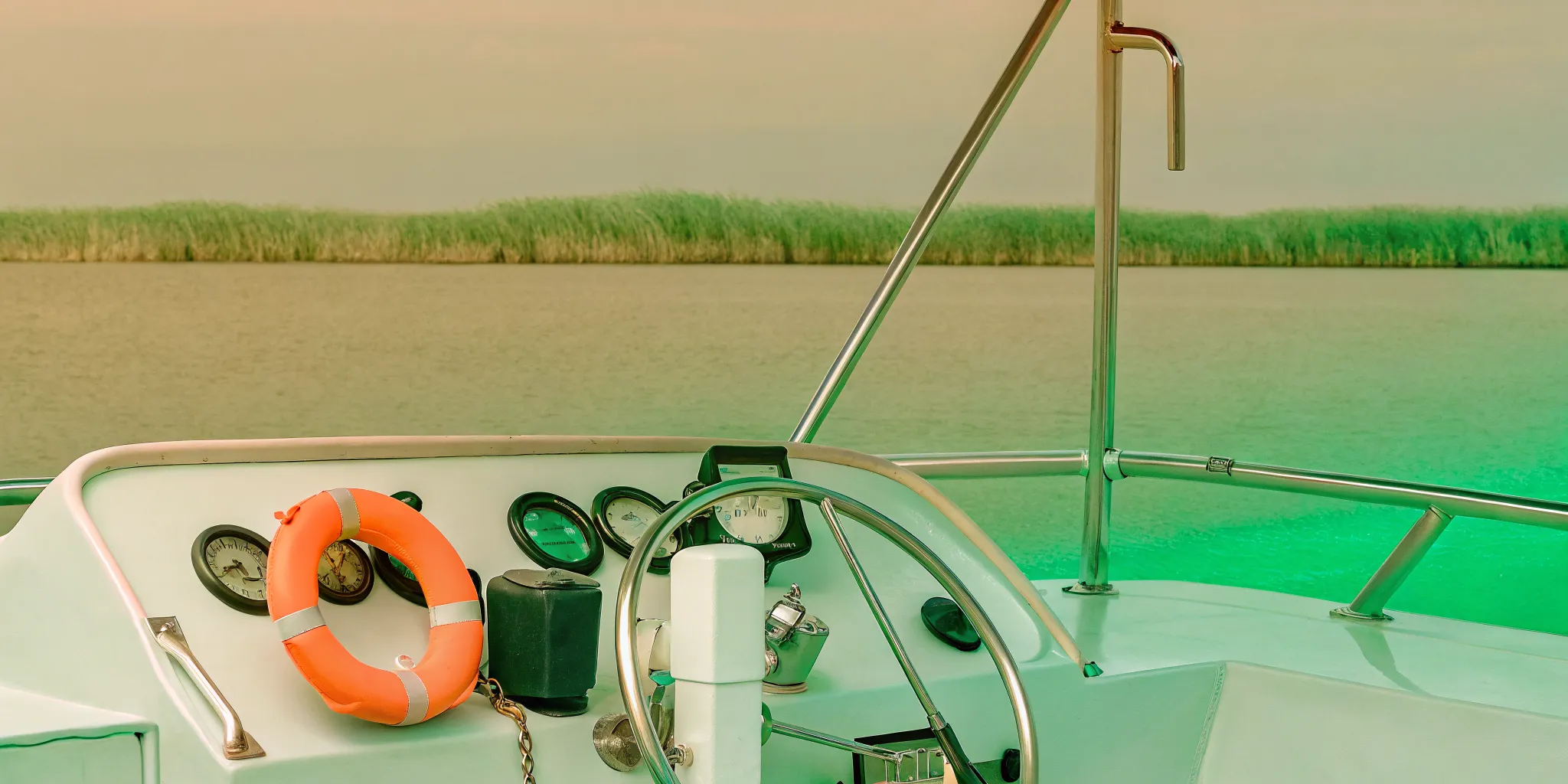
Federal maritime law may apply when a boating accident occurs on navigable waters used for interstate or international commerce, such as the Savannah River. The Jones Act provides additional protections for maritime workers injured on the job.
The legal framework depends on where the crash occurred. Cases on navigable waters may fall under federal admiralty jurisdiction. Accidents on inland lakes and rivers are typically governed by state law. This distinction matters because federal and state laws have different statutes of limitations, damage caps, and liability standards.
Federal admiralty law applies when a crash has a maritime nexus. This means the incident bears a significant relationship to traditional maritime activities. The Savannah River and coastal waters near Tybee Island qualify as navigable waters under federal law. An experienced boating accident attorney Savannah GA can determine which framework governs your case.
Maritime workers injured on the job may have rights under the Jones Act. This federal statute allows crew members to sue their employers for negligence. Unlike state workers' compensation systems, the Jones Act permits recovery for pain and suffering, lost earning capacity, and medical expenses. This is especially relevant for commercial fishermen, deckhands, and other workers at Savannah's port.
The U.S. Coast Guard requires operators to file a written report after any boating accident involving death, missing persons, or injury requiring medical attention beyond first aid. These reports become public record and serve as critical evidence in a legal claim. Failure to file can result in fines.
After a boating accident, seek medical attention, report the crash to the Georgia DNR or USCG. Document the scene with photos, preserve the vessel, and contact a lawyer before speaking with any insurance company.
The steps you take after a crash can greatly affect your ability to recover compensation. Acting quickly preserves evidence and protects your legal rights.
Insurance companies often contact victims quickly with lowball settlement offers. These early payments rarely cover long-term medical treatment, lost income, and pain and suffering. Do not accept any offer without first having an attorney review it. Adjusters are trained to minimize payouts, and their initial offer is almost always negotiable.
The Cornwell Firm provides free case evaluations, handles all insurance negotiations, and prepares every case for trial. We work on a contingency basis. You pay no fees unless we recover compensation for you.
Building a strong boating accident claim requires gathering and analyzing multiple sources of evidence. Our team has over 20 years of combined practice experience handling personal injury cases in Savannah and coastal Georgia. We know the local waterways and the tactics insurance companies use. The same approach we bring to construction accident cases applies to every maritime claim we handle.
We begin every case with a free consultation. During this meeting, we review your facts, explain your legal options, and outline what to expect. If we take your case, we conduct a detailed investigation. This may include obtaining the USCG accident report, analyzing GPS data, interviewing witnesses, and consulting with maritime experts.
Our firm handles all communication with insurance companies. We know the tactics adjusters use to devalue claims, and we push back to secure fair compensation. Our goal is to ensure you recover enough to cover your medical expenses, lost wages, and pain and suffering.
While most personal injury cases settle before trial, every case we accept is prepared as if it will go to court. This approach leads to stronger settlement offers because insurance companies know we are willing to fight. If a fair settlement cannot be reached, we are fully prepared to present your case before a jury.
Injured boat accident victims in Georgia may recover compensation for medical expenses, lost income. Property damage, pain and suffering, and in cases of wrongful death, funeral costs and loss of companionship.
The damages available depend on the severity of your injuries and the facts of your case. An experienced boating accident attorney Savannah GA can help you understand what compensation you may be entitled to pursue.
The Cornwell Firm works on a contingency fee basis. You pay no upfront costs or hourly fees. We only get paid if we recover compensation for you.
Boating under the influence is a leading cause of fatal accidents in Georgia. If the operator was drinking, they may face criminal BUI charges. They may also face civil liability for your injuries.
Yes. Under Georgia's modified comparative negligence rule, you can recover compensation as long as you are less than 50 percent at fault. Your award is reduced by your percentage of fault.
If a defective part caused the crash, the manufacturer may be liable under product liability law. A repair shop that improperly maintained the vessel may also share responsibility.
If a loved one died because of another party's negligence, you may have grounds for a wrongful death claim. Georgia law allows surviving family to seek compensation for funeral costs, lost income, and loss of companionship.
Georgia's statute of limitations for personal injury claims is generally two years from the date of the accident. Maritime cases under federal law may have different deadlines. Contact an attorney promptly to avoid missing the filing window.
Evidence from a boating accident can disappear quickly. Witness memories fade, vessels are repaired, and weather data is overwritten. Acting promptly gives your legal team the best chance to preserve critical evidence.
Call (912) 225-4938 now to schedule a free case evaluation. The Cornwell Firm is available 24 hours a day, 7 days a week. Hablamos espanol. We handle all boating accident cases on a contingency fee basis, which means you pay no attorney fees unless we win your case.