5.0

(912) 225-4938 Serving Georgia & South Carolina
Request Call Back
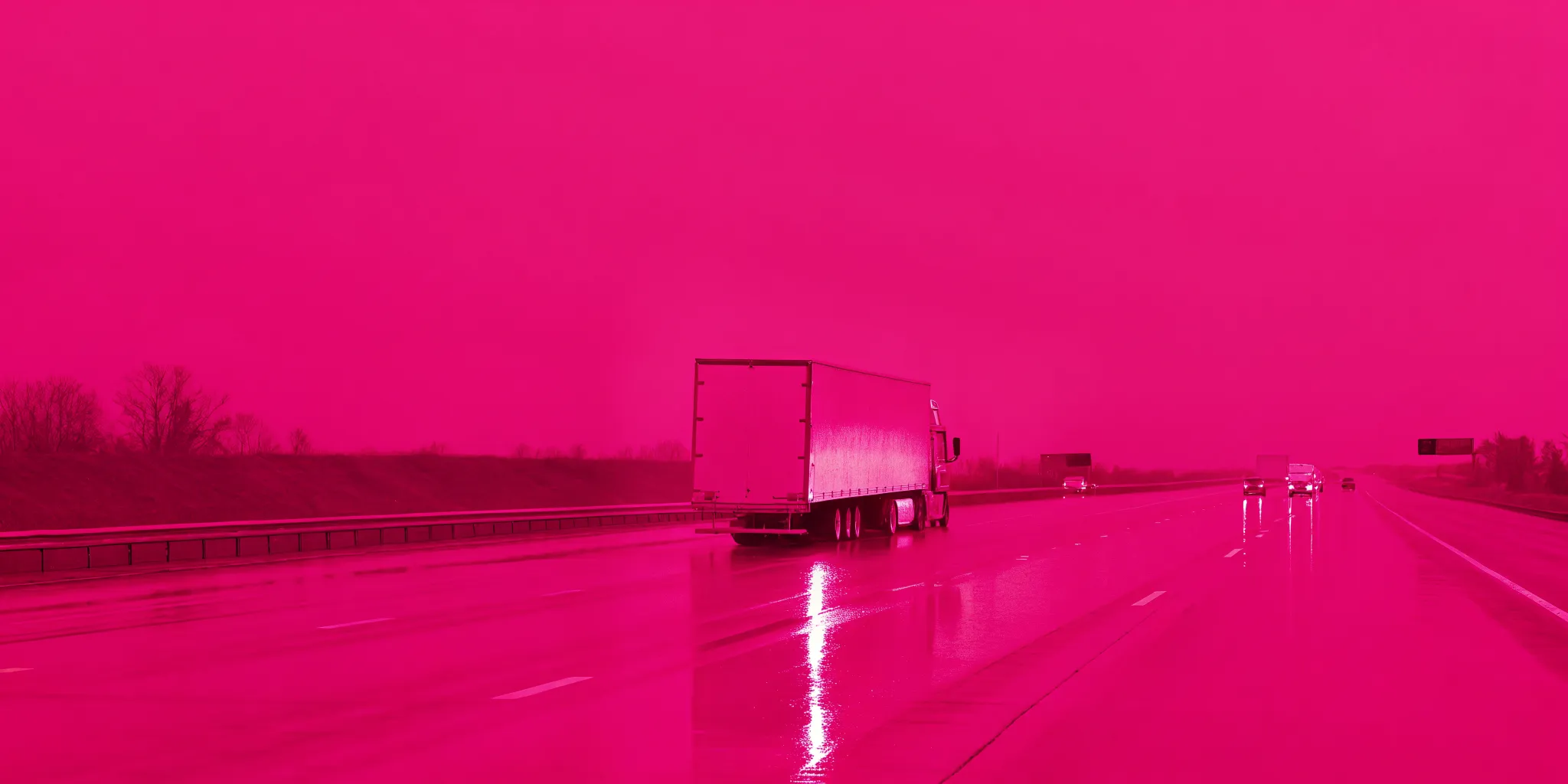
Jackknife accident liability often falls on the truck driver, the trucking company, or the third party that loaded the cargo into the trailer before the trip.
Under Georgia law, the court can split fault among the parties that helped cause the crash. A driver might be at fault for speeding on a wet Savannah road. The firm may also be liable for failing to fix the truck's brakes.
Cargo loaders may share responsibility when an unbalanced load causes the trailer to swing during a stop. Finding every liable party often requires a review of the truck's black box, driver logs, and other records.
To find out who is at fault for a crash, we look for proof of negligence. This means one or more parties failed to use the care the law needs. In a jackknife crash, this work often points to many groups. Liability for a truck jackknife accident can involve the driver, the trucking company, or even cargo loaders.
A jackknife crash happens when a trailer swings out and folds in on the cab. This often happens at a 90-degree angle. Finding jackknife accident liability starts with looking at the cause of the fold. We check if the driver was speeding or used the brakes in a bad way.
These errors are common triggers for such crashes. Road conditions like rain or ice also play a role in how a truck moves. We use many tools to find the truth. We study skid marks on the road and data from the truck's black box.
We also look at records of how the truck was kept up. Violations of FMCSA regulations about driver hours provide strong proof of fault. In 2023, the NHTSA recorded over 3,000 tractor-trailers in jackknife crashes. This data shows how often these bad crashes happen.
Fault does not always rest with the driver alone. While a driver might make a mistake, the trucking firm could be to blame for a lack of training. They may have pushed the driver to work too many hours. Cargo loaders may also be at fault if a loose load caused the trailer to swing.
Under tractor-trailer accident liability laws, we look at every group involved in the haul. A trucking firm must also keep its fleet in safe shape. If they skip a brake check to save money, they are at fault for the crash that follows.
We review their shop logs and hire dates to find these flaws. This ensures no one hides from their duty to safety. It helps you get the full support you need after a bad crash in Savannah. Our team offers help in both English and Spanish to ensure you feel heard.
Georgia uses a rule called apportionment of damages. This means a court can split the blame among all groups that played a part in the crash. The law looks at the share of fault for each person or firm. This is a core part of how we determine fault in a truck accident in our state.
Even small errors can change the result of a case. In Savannah, the court looks at everyone who added to the injury. It does not matter if they are named in the lawsuit or not. By doing this, the court makes sure those who caused the harm pay their fair share.
We must find every person who did not follow the rules. This protects your right to get paid for your medical bills and lost wages. Our firm uses over 20 years of combined experience to fight for the best result for your case.
Finding the cause of a jackknife crash is a key step in a legal claim. In Savannah, Georgia, several people or firms might share the blame for these wrecks. Under Georgia law, a court can split fault among all parties who helped cause the harm. This means your case might involve the driver, their employer, or even the firm that built the truck parts.
Truck drivers are often the first party checked after a crash. Speeding, bad braking, and tired driving are common ways a driver may lose control of their rig. However, the trucking firm often shares the blame for liability in truck accidents. They must vet their drivers and ensure their fleet stays in safe working order. If a firm pushes a driver to work too many hours, they may face a lawsuit.
Federal rules also play a big role in these cases. The FMCSA sets strict limits on drive time and brake checks. When a firm or driver breaks these rules, it serves as strong proof of fault. We use our past work for insurance firms to find these flaws and build a firm path for your case. This deep look into the firm's logs helps us see if they put profits over your safety on the road.
Parties who never touched the wheel can also be to blame. A firm that loads cargo may be at fault if the load shifts and makes the trailer swing. Also, the firm that built the truck might be liable if a part fails at the wrong time. Proving how to determine fault in a truck accident often needs data from the black box and views from crash experts. These tools help us find which party failed to do their job.
| Responsible Party | Conduct leading to crash | Key Evidence |
|---|---|---|
| Truck Driver | Speeding or bad braking | Logs and black box data |
| Trucking Firm | Poor fleet care or hiring | Service and hire files |
| Cargo Loaders | Shifting or heavy loads | Load sheets and photos |
| Part Maker | Brake or tire failure | Recall lists and lab tests |
Georgia uses a system called fault sharing to settle these claims. This means a jury looks at every party involved, even if they are not in the suit. They give a share of blame to each one based on how their acts led to the wreck. Because of this, you need a firm that knows how to find every party that bears a share of the weight. We work to ensure you get the full help you need to move forward after a big crash.
A jackknife accident occurs when a big truck folds into a 90-degree angle. This happens when the trailer swings out and pushes the cab of the truck. To find jackknife accident liability, you must look at what caused the crash. Many things can lead to these dangerous events on Savannah roads.
Speed is a big factor in most truck crashes. If a truck driver goes too fast for the road, they may lose control. Sudden braking is another common cause. When a driver slams on the brakes, the trailer may keep moving while the cab slows down. This force can cause the truck to fold. Lack of sleep and poor training also play big roles. Drivers who are tired or lack skill often make mistakes that lead to a jackknife. You can learn more about how we determine fault in a truck accident to build a strong case.
Sometimes the fault lies with the truck itself. Poor care of the brakes or tires can cause a truck to slide. If a trucking firm fails to fix these issues, they may be to blame. Shifting cargo is another danger. When cargo is not loaded right, it can tip the trailer or make it harder to stop. Under federal safety rules, cargo must be secure to prevent these shifts. Finding the root cause is the first step in tractor-trailer accident liability cases. Our team looks at every detail to see who is truly at fault.
In Georgia, the law looks at everyone who may have caused the harm. This means a court can split the fault between many parties. A driver, a trucking company, or even a parts maker could be at fault. Under Georgia Code 51-12-33, damages are paid based on each person's share of the blame. This makes liability in truck accidents complex. You need experienced trucking accident attorneys to guide you through these rules and fight for what you need.
To win a liability in truck accidents case, you must have strong proof. These cases are complex because many people may be at fault. We look for records that show how the crash happened and who failed to follow the rules. This work is a key part of how we build your claim for a jackknife crash.
Most large trucks carry a black box that records speed and braking. We use this data to find out what the driver did right before the crash. We also look at logs that show how many hours the driver was on the road. The FMCSA has strict rules about driver rest to keep people safe on the road. If a driver spent too many hours behind the wheel, that fatigue may prove they were at fault for the wreck.
Maintenance and cargo records are also vital. If the truck had bad brakes or the load was not tied down well, the trucking company might be liable. We check if the company followed all safety steps before the truck left the yard. Proving jackknife accident liability often means looking at months of these repair files and cargo forms.
The scene of the crash in Savannah holds vital clues for your case. We look at skid marks and photos to see the path of the truck. This helps experts rebuild how the wreck occurred. Video from dash cams or nearby shops can show exactly when the truck started to fold. Police reports and witness talks also help build a clear picture of the event. We act fast to gather these facts before they are gone.
Truck parts can also show what went wrong. We may look at the tires or the hitch where the cab and trailer meet. If a part failed because it was old or broken, the maker of that part could be to blame. This helps us find every person or group who should pay for your harm. We use every tool to show how the crash took place.
In Georgia, you must act fast to save this proof. Trucking firms often destroy logs and repair files after a short time if no one asks for them. A tractor-trailer accident liability claim needs this data to be strong. We send letters to make sure the company keeps all black box data and driver logs right away. This stops the firm from getting rid of facts that could help your case.
In many truck crashes, finding who is at fault is not simple. This is very true for jackknife accidents. A single crash might involve mistakes by many people or companies. When you seek justice, you must look at every part of the event. Under Georgia law, the court can spread fault among different groups. This helps ensure that the right parties pay for the harm they caused.
Georgia uses a rule called modified comparative negligence. This means that a court looks at how much each person helped cause the crash. If more than one party is to blame, the law allows for damages to be split based on fault. For example, a truck driver might be 70% at fault for speeding. At the same time, the company that loaded the truck might be 30% at fault for an off-center load.
In Savannah, this rule is vital for victims. It lets you hold every careless party liable for their share of the loss. The law even looks at the fault of groups that are not part of the lawsuit. This full view helps show why jackknife accident liability is so complex. Our team helps victims find liability in truck accidents to get the best result.
Many groups play a role in keeping a big rig safe on the road. When a jackknife occurs, any of these groups could face a claim. The truck driver is often the first person people think of. They might have braked too hard or turned too fast on a slick road. But the trucking company often shares the blame. They must hire safe drivers and keep their fleet in good shape.
Other parties might also be part of the case. A cargo loader might fail to secure a heavy load. If that load shifts, it can pull the trailer into a jackknife. A part maker could also be at fault if a brake or tire fails. To determine fault in a truck accident, your legal team must check many records. These include logs, maintenance files, and black box data.
Finding every party is a key step in your case. Large trucks carry big insurance plans. But the costs of a crash can be very high. By finding all liable groups, you increase the chance of getting full pay for your needs. This is why having an experienced team is so helpful.
Our firm uses deep knowledge to find every link in the chain of blame. We look for breaks in safety rules. We also check for federal law violations. If you need help after a crash, call The Cornwell Firm at (912) 225-4938. We offer a free case check to help you find the best path forward.
A jackknife crash in Savannah can leave you feeling lost and hurt. These crashes are hard to handle because the truck and trailer fold into a 90-degree angle. This often blocks many lanes of traffic and causes big wrecks. Knowing what to do in the first few hours can help you protect your health and your legal rights.
The most important first step is to get medical care. Even if you feel fine, some hurts like whiplash or internal bleeding may not show up right away. Call 911 so that Savannah police and medical teams can help you at the scene. Getting a health report early is key if you later need to determine fault in a truck accident.
If you can move safely, take photos and videos of the crash. Show the spot of the truck, the angle of the trailer, and any skid marks on the road. These facts help experts show how the crash happened. You should also get the names and phone numbers for the truck driver and any people who saw the crash happen.
In 2023, the NHTSA recorded 3,029 tractor-trailers in jackknife crashes across the country. Facts like the truck's black box logs and repair files can prove if a driver or firm broke safety rules. This evidence is a big part of tractor-trailer accident liability cases.
Many jackknife crashes happen because rules were not followed. Fails in FMCSA regulations for brake care or driver rest time are often used as proof of fault. In Georgia, damages are shared among the groups at fault based on their part in the crash. A legal check can help you find every person or firm that should pay for your loss.
A big truck crash is hard to handle alone. When a semi-truck folds into a sharp angle, it is called a jackknife accident. These crashes are very dangerous for people in small cars. If you are hurt, a Savannah truck accident lawyer can help you find out what happened and who is at fault. In 2023, there were 3,029 tractor-trailers in jackknife crashes across the country. Our firm knows how to look into these cases to find the truth.
Many things can cause a truck to jackknife. A driver might go too fast on a wet road. They might hit the brakes the wrong way. Also, the load in the back might not be set right. A lawyer will look at the truck's data box to see how the driver acted. We also check if the driver broke federal safety rules for work hours. This work helps us determine fault in a truck accident.
In a truck crash, many people or firms might be at fault. The driver may have made a slip, but the trucking firm could also be to blame. They might have failed to fix the brakes. In some cases, the team that loaded the truck is liable. Under Georgia law, the court can split the fault among all these groups. This process is how we prove tractor-trailer accident liability.
Insurance firms for big truck companies move fast. They want to pay as little as they can. They may even try to blame you for the crash. Our team used to work for insurance firms. We know their plans. We help you talk to them and keep your rights safe. We want to make sure you get the help you need for your bills and pain. We do the hard legal work so you can focus on getting well.
A jackknife accident happens when a large tractor-trailer folds into a sharp angle. This often looks like a pocket knife as it closes. It happens when the trailer swings out to the side while the cab stays straight. According to legal experts, the trailer can fold at a 90-degree angle. This is a very dangerous event that can block many lanes of a road and lead to multi-car crashes in Savannah.
No, the driver is not always the only one to blame for this type of crash. While driver error like hard braking can cause a jackknife, other factors often play a role. Poor cargo loading can make a trailer unstable. Mechanical fails, such as bad brakes, may also be the cause. Under Georgia law, a court can split fault among the driver, the trucking firm, or the people who loaded the cargo.
Federal rules set the safety standards for the trucking industry. The FMCSA has strict laws about how long a driver can work and how to fix brakes. If a driver or firm breaks these rules, it can be strong proof of a lack of care. In a jackknife case, your legal team will check logs and records for these broken rules. Finding a broken rule can help show who is liable for the injuries and damage caused by the crash.
These crashes are more common than many people think. In 2023, data from the NHTSA showed that 3,029 tractor-trailers were in jackknife accidents across the country. Each of these events can cause serious harm to those on the road. Because these cases involve heavy trucks and complex physics, they often need a deep look to find the cause. Knowing these facts helps victims understand the risks they face and the need for a full check of the crash.
Waiting to file a claim after a truck crash can put your case at risk. Large firms and insurance groups start their work as soon as a crash happens to protect their own side. If you do not act fast, key facts from the scene or the truck log might be lost or gone for good. You need to protect your rights to get the money you need for your bills and lost pay after a jackknife wreck. Our team in Savannah is ready to help you find the best path forward to win your case right now. By starting your case today, you help us build a strong plan and ensure that you do not let time run out. Each day you wait is a day the other side uses to build their defense and work against your legal rights.
Ready to request a free case evaluation? Call (912) 225-4938 to talk to a lawyer.