5.0

(912) 225-4938 Serving Georgia & South Carolina
Request Call Back
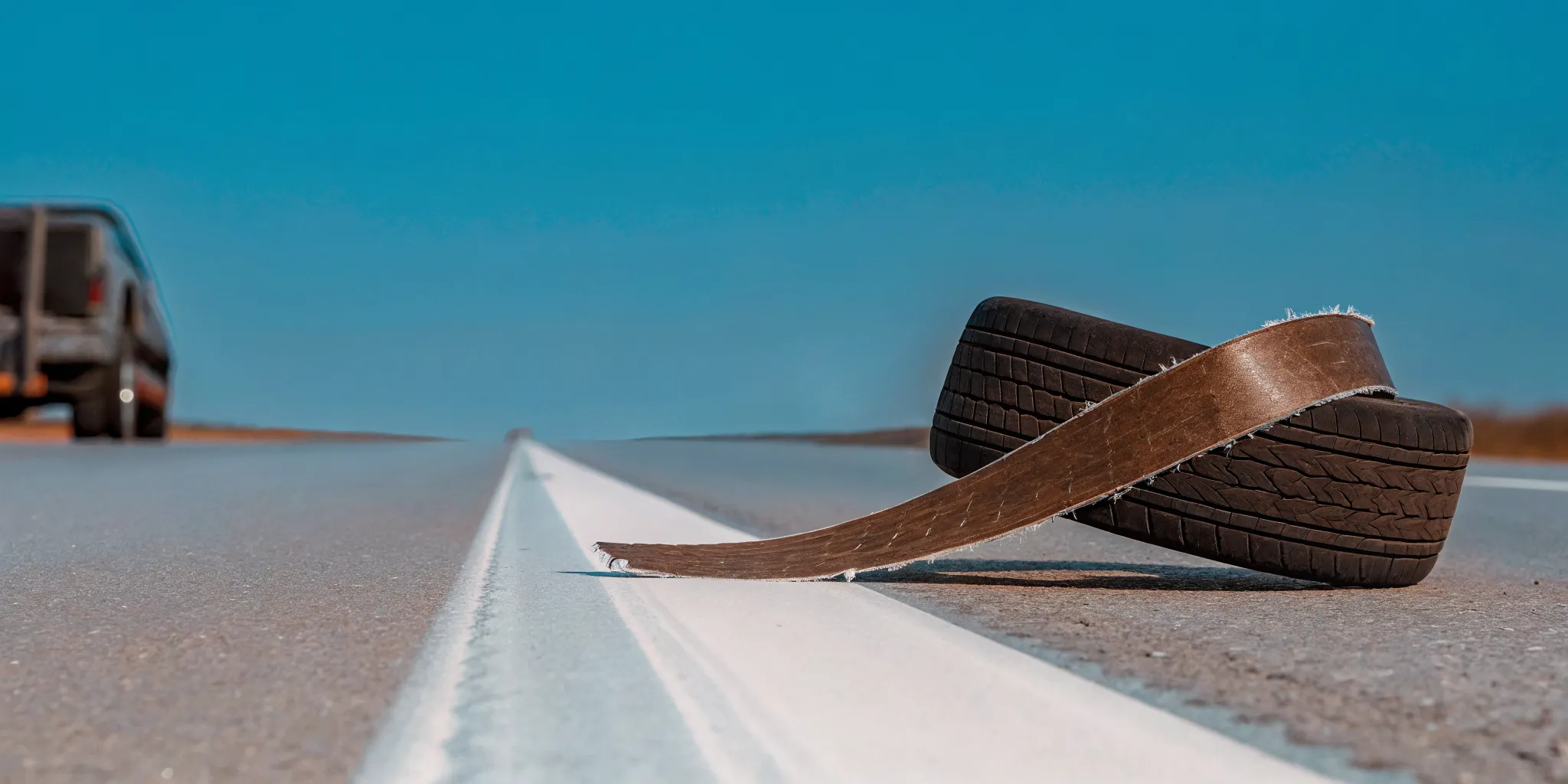
A sudden thud, a violent jerk of the steering wheel, and the terrifying feeling of losing control—this is the reality of hitting debris on the highway. More often than not, the culprit is a "road gator," a large piece of a shredded truck tire. These aren't just harmless pieces of rubber; they are heavy, often steel-belted obstacles that can puncture your tires, damage your car's undercarriage, or cause you to swerve into another vehicle. For drivers on the busy roads in and around Savannah, encountering road gators is a real and constant threat. Knowing the risks and how to react is essential for your safety.
If you’ve spent any time driving on the highways around Savannah, you’ve seen them: large, dark strips of rubber on the shoulder or in the travel lanes. These are often called “road gators,” and while the name is a bit playful, the danger they pose is serious. These pieces of shredded tires, usually from large commercial trucks, can cause severe accidents, vehicle damage, and injuries.
Understanding where road gators come from is the first step in learning how to avoid them. They are signs of a potentially dangerous situation, often stemming from poor vehicle maintenance or manufacturing issues. Knowing the cause can help you stay more aware and prepared on the road.
So, what exactly is a "road gator?" It’s the nickname for the long, curved pieces of tire tread that peel away from a truck’s tire, often in one large piece. They get their name because their dark, textured appearance can look like an alligator’s back lying on the pavement. These aren't small scraps of rubber; they are heavy, steel-belted pieces of a tire that have detached, usually after a blowout. When you see one on the road, it’s a clear sign that a truck has recently had a major tire failure nearby.
Truck tires fail for several reasons, but it often comes down to stress and maintenance. Commercial trucks cover thousands of miles, and their tires are put under immense pressure from heavy loads. Common causes for blowouts include improper air pressure, overloading the truck, excessive speed, and general wear from overuse. Sometimes, the issue is a manufacturing defect, where the tire's tread wasn't bonded correctly. These defects can lead to tread separation, where the outer layer of the tire rips away from the steel belts inside, creating a dangerous tractor-trailer collision risk for everyone on the road.
While many factors can contribute to a blowout, the single biggest culprit is low tire pressure. In fact, underinflation is responsible for more than two-thirds of all tire failures. When a truck’s tire is low on air, its sidewalls flex more than they should. This constant flexing generates a tremendous amount of heat, which weakens the rubber and the bonds holding the tire together. Eventually, the tire structure breaks down, leading to a blowout and sending a road gator flying. Proper tire inflation is a critical part of vehicle maintenance, and failing to do it can have serious consequences for all drivers involved in a resulting car accident.
A strip of tire tread on the highway might seem like a minor nuisance, but it can create major hazards for unsuspecting drivers. These "road gators" are much more than simple litter; they are heavy, unpredictable obstacles that can cause serious accidents and injuries, especially on the busy roads around Savannah. Hitting one at high speed can set off a chain reaction of events that puts you, your passengers, and other drivers in immediate danger. Understanding these specific risks is the first step toward knowing how to protect yourself on the road.
One of the most immediate dangers of hitting a road gator is a tire blowout. These large, heavy pieces of rubber, often reinforced with steel belts, can easily puncture your tire on impact. A sudden loss of tire pressure at highway speeds can make you lose control of your vehicle, causing it to swerve unexpectedly into another lane or off the road entirely. This loss of control is a common cause of serious car accidents, leading to multi-vehicle pile-ups or devastating single-car crashes. The situation becomes even more dangerous in heavy traffic or poor weather conditions.
Even if you avoid a blowout, a road gator can cause significant damage to the underside of your vehicle. These tire fragments can weigh up to 100 pounds and may contain sharp metal wires that can rip through critical components. A road gator can tear out brake lines, puncture your gas tank, or damage your car's suspension and steering systems. This kind of damage isn't just expensive to fix; it can create a secondary emergency. A compromised brake line or a fuel leak can lead to another accident moments after the initial impact, long before you can safely pull over.
While road gators are a threat to all vehicles, they are especially dangerous for motorcyclists. For a car, hitting a piece of tire tread might result in a loud thud and some damage. For a motorcyclist, the same impact can be catastrophic. A road gator can get caught in the wheel, causing the rider to be thrown from the bike, or it can strike the rider directly. Due to their lack of protection, riders are highly vulnerable to severe injuries in these situations. If you or a loved one has been injured, understanding your rights after motorcycle accidents is a critical step.
Your first instinct when seeing a road gator ahead might be to swerve out of the way. However, this reactive maneuver is often just as dangerous as hitting the debris itself. A study from the AAA Foundation for Traffic Safety found that swerving is a major factor in crashes involving road debris. A sudden lane change can cause you to collide with a vehicle in your blind spot or lose control and spin out. Instead of making a panicked movement, it's safer to slow down as much as possible before impact if you cannot safely steer around the object.
Seeing a large piece of tire tread on the highway can be startling, but your reaction in that split second is what matters most. The key to handling road gators is to drive proactively, not reactively. By staying aware and knowing your options ahead of time, you can keep yourself and others safe from the dangers of tire debris. These simple habits can make all the difference when you’re driving on the busy roads in and around Savannah.
One of the most effective safety measures is also one of the simplest: leave plenty of space between your car and the vehicle in front of you, especially large trucks. Keeping a generous following distance gives you more time to see and react to debris on the road. If a truck ahead has a blowout, that extra space acts as a crucial buffer. A good rule of thumb is the three-second rule. Watch the vehicle in front of you pass a fixed object, like a sign, and count three seconds. If you pass the same object before you finish counting, you’re too close. This simple practice is vital for avoiding potential tractor-trailer collisions and the debris they can leave behind.
Highways are prime territory for road gators due to high speeds and the constant presence of commercial trucks. It’s easy to get lulled into a sense of complacency on a long drive, but staying vigilant is your best defense. Make a habit of scanning the road far ahead of you, not just focusing on the car directly in front. Watch for trucks pulled over on the shoulder, as they might be dealing with a tire issue. Also, keep an eye out for small pieces of rubber on the pavement, which can be a warning sign that a larger piece is nearby. This kind of active awareness can help you prevent many types of car accidents, not just those involving road debris.
If you spot a road gator in your path and have enough time and space to react, the goal is to maneuver around it smoothly. Your first instinct might be to swerve, but that can be incredibly dangerous. Instead, take your foot off the gas to slow down gently before you attempt to steer. Check your mirrors and blind spots to ensure the next lane is clear. If it is, guide your car calmly into the other lane. Sudden, jerky movements can cause you to lose control or collide with another vehicle. This is especially critical for the safety of motorcyclists, who are extremely vulnerable when cars make unexpected lane changes after spotting a motorcycle wreck.
Sometimes, you won’t have enough time or space to safely steer around a piece of tire. In these moments, it’s important to fight the urge to slam on your brakes or swerve violently. Doing so often causes more severe accidents than hitting the debris itself. If a collision with the road gator is unavoidable, the safest course of action is often to grip your steering wheel firmly and drive over it. While this may cause damage to your car’s undercarriage, it is far better than causing a multi-car pileup. Your safety and the safety of others on the road are the top priority. If you are injured in an accident caused by road debris, it's important to know your legal options and contact an attorney to discuss your case.
An accident with tire debris can be jarring and confusing. You might not even realize what happened until you see the damage or lose control of your vehicle. If you find yourself in this situation on a Savannah road, your priority is safety. Taking a few key steps immediately after the incident can protect you and strengthen your position if you need to seek compensation for your injuries or vehicle damage. Knowing what to do can make all the difference in the moments, days, and weeks that follow.
The moment you hit a road gator or experience a blowout, your first instinct should be to get to safety. Try to remain calm and guide your vehicle to the shoulder of the road, away from flowing traffic. Turn on your hazard lights to make your car more visible to other drivers. Once you are safely stopped, you can get out and inspect your vehicle for damage. Look for issues with your tires, undercarriage, bumper, and windshield. This initial assessment is crucial for your safety and for documenting the immediate effects of the accident.
After ensuring you are in a safe location, start documenting everything. Take clear photos of the tire debris on the road, the damage to your vehicle, and the general accident scene. It can be very difficult to determine which truck lost the tire tread, as the pieces rarely have identifying marks. However, you should still note the time of day, your exact location, and any details you can remember about nearby commercial trucks. If there were any witnesses, ask for their contact information. This evidence can be vital for building a personal injury claim later on.
In Georgia, the truck driver or the trucking company is often responsible for accidents caused by road gators. Commercial carriers have a legal duty to properly maintain their vehicles, and that includes performing regular tire inspections. A tire blowout is frequently a sign of negligence, such as failing to check for proper inflation, worn tread, or other defects. Proving this negligence is key to a successful claim. An experienced attorney can investigate maintenance logs and driver records to establish who is at fault for the tractor-trailer collision and your resulting injuries.
If you were injured or your car sustained significant damage from a road gator, you should speak with a personal injury attorney. These cases can be complex, especially when it comes to identifying the responsible party. An attorney can manage the investigation, collect evidence, and handle all communications with insurance companies on your behalf. They will work to make sure you receive fair compensation for medical bills, lost wages, and vehicle repairs. Don't try to handle a difficult claim alone; getting professional legal support allows you to focus on your recovery.
How can I prove which truck was responsible for the tire debris that caused my accident? Identifying the specific truck can be very challenging, as the driver may not even realize they’ve had a blowout. The best thing you can do is document everything you can remember immediately after the accident. Note the time, your location, and any details about commercial trucks that were near you. If there were witnesses, their accounts can be incredibly helpful. An experienced attorney can use this information, along with accident reconstruction and other investigative methods, to help pinpoint the responsible party.
Is it ever a good idea to swerve to miss a road gator? Your instinct might be to swerve, but it's one of the most dangerous things you can do. A sudden, sharp turn can cause you to lose control, hit another vehicle, or run off the road, often leading to a more severe crash than hitting the debris itself. If you have enough space and time, you should slow down, check your mirrors, and smoothly guide your car into a clear lane. If you can't, it's often safer to grip the wheel firmly and drive over the object.
My car was damaged by tire debris, but I wasn't hurt. What should I do? Even if you aren't physically injured, you should still pull over safely, document the scene, and file a police report. Take photos of the damage to your car and the tire debris that caused it. You can then file a claim with your own insurance company for the repairs. While a personal injury attorney typically handles cases involving injuries, documenting the incident thoroughly is still important for your property damage claim.
Why are truck tires more likely to fail than car tires? Truck tires fail more often due to the immense stress they are under. They carry extremely heavy loads over long distances, which generates a lot of heat. The leading cause of failure is underinflation, which causes the tire to flex and overheat, eventually breaking down the rubber. While manufacturing defects can happen, blowouts are frequently a sign that the tire was not properly maintained by the trucking company, which is a form of negligence.
If I'm in an accident with a road gator, what's the first thing I should do after getting to safety? Once you have pulled over to a safe location and turned on your hazard lights, your next step is to document the scene. Before anything gets moved or cleaned up, take photos of the tire debris, the damage to your vehicle, and your surroundings. This evidence is crucial because it can disappear quickly. Capturing these details right away creates a record of what happened, which is essential if you decide to file a claim for your damages or injuries.