5.0

(912) 225-4938 Serving Georgia & South Carolina
Request Call Back
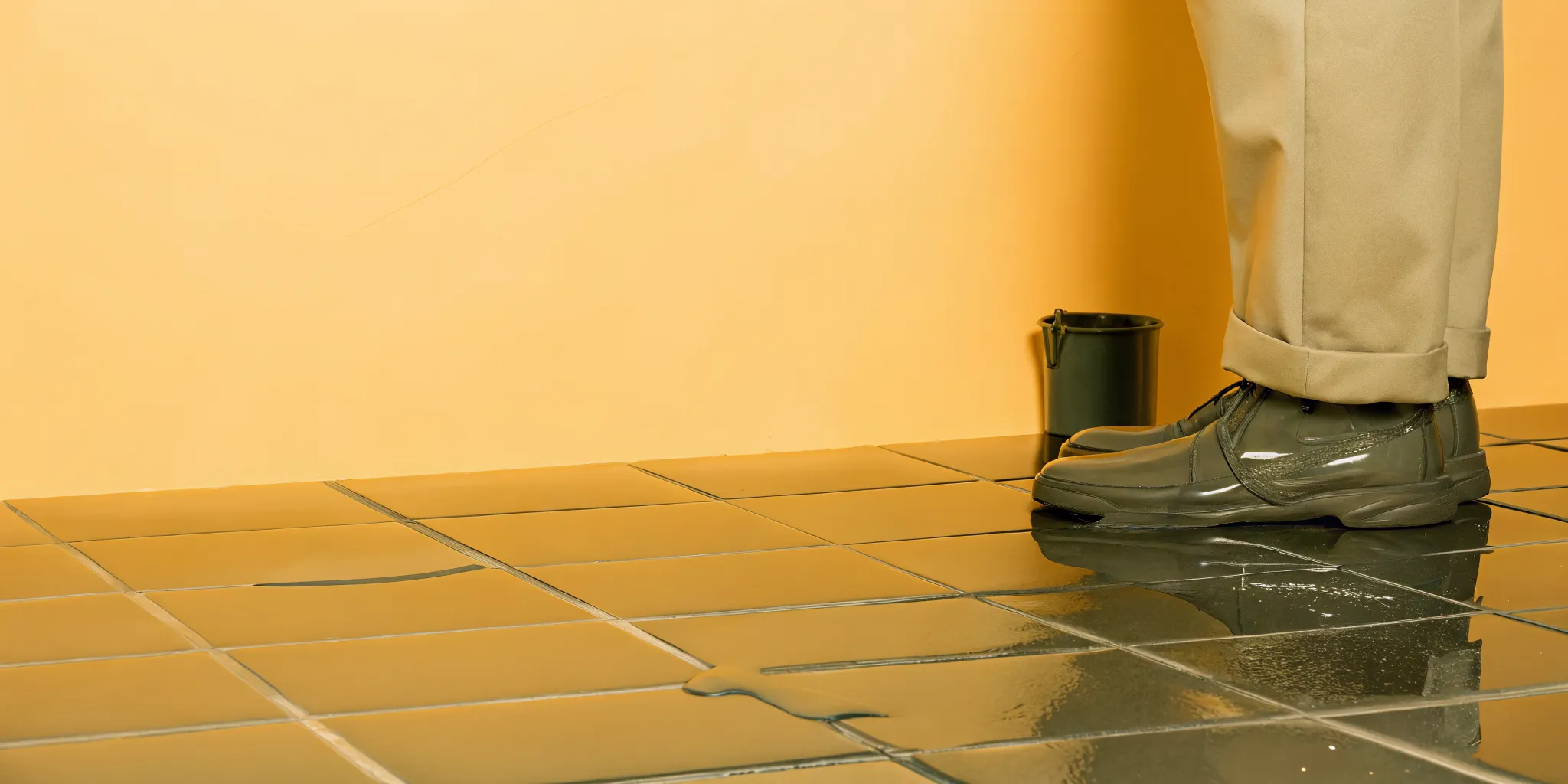
A single puddle on a Savannah grocery store floor can change your life in one second. These hidden hazards often cause serious injuries that lead to high medical bills and lost work time. You must act fast to protect your rights.
Slip and fall evidence is the base of any winning injury claim in Savannah because Georgia law puts the burden of proof on the victim. You must show that a property owner was at fault by failing to fix a hazard or warn you about a dangerous spot. Strong slip and fall evidence includes photos of the hazard, witness details, and medical records that link your injuries to the fall. According to the Centers for Disease Control and Prevention (CDC), fall accidents cost billions each year, making insurance companies very tough when fighting these claims. Without clear proof like video footage or a filed incident report, an insurer may deny your claim or blame you for the accident. Gathering this data right away helps ensure you receive fair pay for medical bills and lost wages.
Winning a case requires a specific set of documents that prove liability and the extent of your losses. Many victims ask What Types of Evidence Are Needed for a Savannah Slip-and-Fall Claim? to secure a win. The path to a full recovery begins with
Fall accidents lead to big costs across the country each year. Data from the Centers for Disease Control and Prevention (CDC) shows that the costs for these injuries reached about $50 billion in 2015. In Savannah, these cases are common, but they are never simple. If you are hurt on a property, you have the burden of proof to show the owner was at fault.
To win your case, you must show that the owner was negligent. This means you need proof that a hazard existed and that the owner failed to fix it or warn you about it. Without strong slip and fall evidence, big insurance firms may try to deny your claim. They often work for large stores and have teams ready to fight your request for help.
You need to gather items to build a solid case. The most helpful pieces of proof often include photos of the scene and video from cameras. You should also get statements from anyone who saw you fall. These people can help show what the area looked like at the time of your accident.
Medical records are vital because they link your injuries to the fall. You must follow the right steps to document your claim by getting a doctor to check you right away. This creates a paper trail that adjusters cannot ignore. Keeping your own notes about the incident and your recovery also helps your legal team fight for the money you need.
To win a suit in Savannah, you must prove the owner was at fault. Georgia law sets a high bar for victims. You must show that the store or person failed to keep you safe. This work involves four key parts. Each part needs clear slip and fall evidence to back it up.
Winning a claim takes more than just showing you fell. You must prove the owner broke the law. Under Georgia code, owners must keep their land and stores safe for those they ask inside. If they fail, they are at fault for the harm caused.
In our city, local juries look at what a fair person would do. A store owner should walk the floors to check for spills. They should also put up yellow signs to warn you of a wet floor. When they skip these steps, they put every guest at risk of a bad fall. You need to show that you were careful while the owner was not.
Without proof, a firm will likely deny your claim. They often argue that you were not looking where you were going. They may also say the hazard was open and clear. Strong proof stops these excuses before they can ruin your case. The burden of proof rests on your shoulders. You must bring the facts to the table. Most big stores have teams of lawyers ready to fight you. Having the right photos and witness names is the only way to even the field.
The minutes after a fall are often messy. Your main goal is to get safe and find care. But these first moments also form the base of your legal case. Taking the right steps to track your claim can help you show what happened. It can also show why it was not your fault.
For many people, a fall leads to high bills and lost work. The Centers for Disease Control and Prevention (CDC) notes that fall costs reached about $50 billion in just one year. To protect your rights in Savannah, follow this guide to gather slip and fall proof.
You should tell the boss about your fall as soon as you can. If you are in a shop or cafe, ask to see the person in charge. Tell them exactly where you fell and what caused it. You must report the fall. Tell the owner that you want to file a slip and fall event report. Ask for a copy of this paper before you leave. If they cannot give you a copy, take a photo with your phone. This report proves the owner knew about the fall when it happened.
You need to find out what made you slip or trip. Common causes include wet floors or broken stairs. The CDC states that contaminants on the floor are a top cause of falls at work. Other issues like bad light can also lead to harm. Take clear photos of the floor and the light. Note any signs or lack of signs in the area. These photos show the scene as it was when you were hurt. This visual proof is hard for big firms to deny later.
Property owners often have large legal teams. They work hard to pay as little as they can. Working with a firm that knows Savannah law helps you. The Cornwell Firm has years of skill in law. We focus on getting results for the injured. We offer free case reviews to help you. You do not pay us any fees unless we win your case. Our team is ready to help you hold careless parties to pay for your losses.
Visual records serve as the base of your injury claim. They offer a clear look at the scene before a property owner can fix the problem. Visual documentation helps show the scene and the hazard that led to your injury. This proof is key because slip and fall evidence can be gone in minutes once a manager cleans a spill.
Hazards like spilled milk, rain, or leaked oil are often there for a short time. By the time you hire a Savannah slip and fall lawyer, the floor may be dry. Use your phone to record the liquid from many angles. Show how big the spill is and look for tracks through it. These facts can prove the liquid was there long enough for staff to find and clean it.
Outdoor risks can also change fast. Property owners must fix walking surface irregularities that create trip risks. Film any cracks, holes, or uneven spots in the lot. Place an item like a coin or a key next to the hole. This gives a sense of scale to the size of the flaw in your photos.
Light plays a big part in site safety. In many cases, inadequate lighting is a known hazard in fall cases. Take photos that show how dark the area was when you fell. Do not use a flash if it hides the true light levels of the room. Record a video walking the same path you took. This shows exactly what you could and could not see before you slipped.
Check for hidden signs or blocked views. Store displays or poorly placed boxes can hide a floor risk until it is too late. Wide shots help show the whole area. They show where the nearest warning signs were or if they were missing. These images prove the owner failed to warn you of a known danger on their land.
It is best to take both close and wide shots. A close shot shows the specific hazard that caused your trip. A wide shot shows the layout of the store or building. It helps a jury or agent understand the scene. You should also look for security cameras in the area. Take a photo of the camera itself. This ensures we know which angles might have recorded the actual fall.
Winning a case needs a mix of proof types. We use both real items and files to build a strong claim. Each type shows a different part of how you were hurt and who is at fault.
Physical evidence is made of real items from the scene. Your clothes and shoes are common examples. If you slip on a wet floor, the liquid may leave a stain on your pants. This shows the floor contaminants that caused your fall. We often tell clients to save their shoes to show the tread was safe and did not cause the slip.
This proof is hard to fight. It shows the exact state of things when the accident happened. Keeping these items safe helps a Savannah slip and fall lawyer show what went wrong. Do not wash your clothes or wear the shoes after your fall until your legal team sees them.
Digital and paper proof uses files and records to tell the story. This includes store video and reports. These files often show how long a hazard was on the floor. If a spill sat for an hour, the store may be to blame for your pain. We look for slip and fall evidence in store logs to see if they followed their own safety rules.
Medical bills and doctor notes are also key records. They link your injury to the fall. Without these papers, it is hard to show how much money you should get. Our team works fast to get this proof before the business deletes it.
| Evidence Type. | Examples. | What It Proves. |
|---|---|---|
| Physical Evidence. | Shoes, torn clothes, stained items. | State of the scene and shoe safety. |
| Digital Evidence. | CCTV, phone videos, photos. | How the fall happened in real time. |
| Documentary Evidence. | Medical bills, reports, store logs. | Cost of injuries and store neglect. |
A slip and fall event can happen in a flash, leaving you dazed and in pain. While your own story is key, an insurance firm may view it as biased. Fair third party accounts give vital slip and fall evidence to back up your claim. These witnesses can often describe the risk exactly as it looked at the time of your fall.
Witnesses offer a view that does not come from you or the store owner. A bystander has no stake in the case, which makes their words more trusted by a jury. They can confirm that a floor was wet or that a rug was bunched up. This fair proof is hard for a store to fight, even if their own logs say the area was safe.
The CDC notes that floor spills are a top cause of falls in public places. A witness who saw a spill before you fell can prove the store knew of the danger but did not fix it. This is a key part of your case in Savannah, Georgia. Our team at The Cornwell Firm uses these accounts to push back against tough insurance agents who try to blame you for your own hurt.
You should try to find witnesses as soon as you can after your fall. Ask for their names and phone numbers before they leave. If you are too hurt to do this, ask a friend or a store worker to help you. A quick film of what they saw on your phone can save their story before they forget. Even a short note on how the hazard looked can be a vital piece of evidence for your lawyer to use later.
Many stores keep logs to show they check their floors often. But these logs are often signed even when no check was made. A witness who was in the store for an hour and saw no one cleaning can show these logs are false. This turns the store's own records into proof of their fault. This is why we work fast to talk to anyone who was at the scene. We know that the truth often comes from those who were just passing by.
In Georgia, you usually have two years from the date of your fall to file a claim. Under Georgia Code Section 9-3-33, you must start your lawsuit within this time. If you miss this date, you might lose the chance to get money for your bills. Some rare cases have different rules, but most follow this two-year window. It is best to act fast to keep your case active.
Yes, you can still get money even if you were partly to blame for the fall. Georgia law uses a rule called modified comparative negligence. Under Georgia Code Section 51-12-33, you can get funds if you are less than 50 percent at fault. The court will lower your payout by your share of blame. If you are 10 percent at fault, you get 90 percent of the money. A lawyer can help prove the store was more at fault.
If a store deletes video when they know you might sue, it is called spoliation. In Georgia, courts can punish a business for this. Under Georgia law, a judge may tell the jury to assume the video would have helped your case. This makes it easier to show the store was at fault. A lawyer can also help you gather other slip and fall evidence, such as witness statements, to build a strong case.
Most personal injury firms in Savannah use a contingency fee. This means you do not pay any money upfront to start your case. At The Cornwell Firm, there are no fees unless you win your claim and get a settlement. As noted by legal guides, the lawyer takes a set share of the final award for their work. This helps you get a strong lawyer without having to pay out of your own pocket first.
Waiting to take action can hurt your case. Property owners often clean up spills or fix broken floors right after a fall happens. If you do not record the scene now, you may lose the proof you need to win. The law has strict time limits for filing a claim in Georgia. Starting today gives you the best chance to get all the facts while they are fresh. You need to protect your rights before the insurance company tries to blame you for what went wrong.
Our team can help you look at the evidence and build a strong path forward. We know how to handle big stores and their legal teams. Do not let your chance for a fair payment slip away by waiting too long to get help. We are here to guide you through each step of the process.
Ready to get help? Call (912) 225-4938 to request a free case evaluation.